
 Chinese
 Russian
 Arabic
This round of rise is not ordinary market fluctuations, but "wartime pricing" formed by the combined effect of the war atmosphere, economic instability and supply chain chaos...
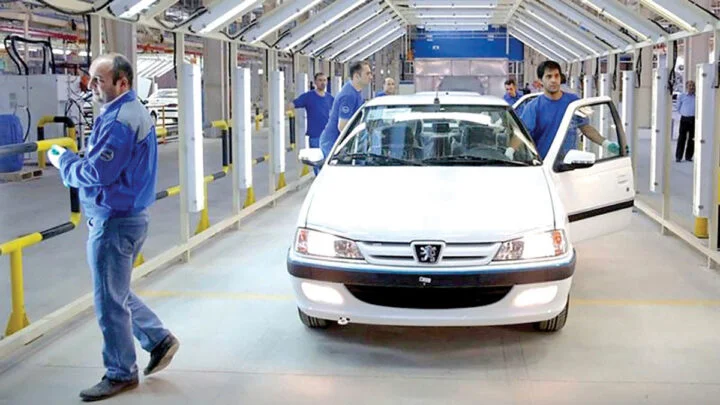
According to Iran's "Donya-e-Eqtesad" report, in May 2026, the Iranian automobile market experienced the most drastic round of price increases in recent years, with the overall price increase reaching 37%. Local media believe that this round of rise is not ordinary market fluctuations, but "wartime pricing" formed by the combined effect of the war atmosphere, economic instability and supply chain chaos.
First, the sequelae of war are directly pushing up car prices
Reported that although Iran has entered a ceasefire phase since April 8, the psychological and economic impact of the war has not ended. Partial damage to port infrastructure, concerns about possible disruption of freight transportation, increased foreign trade risks, and market expectations of further deterioration in inflation are rapidly spreading to the automobile market.
Especially on the supply side, tight steel supply, blocked entry of raw materials and parts, coupled with rising exchange rates and increased production costs, have caused the market to generally worry that automobile supply will be further reduced in the coming months. This expectation directly drives the sentiment of buying and reluctance to sell.
The report said that many car owners chose to "not sell their cars first" in the atmosphere of war because cars are once again regarded by many Iranian families as an "anti-inflation asset." Against the background of the continuous fluctuations in the purchasing power of the local currency, cars are not only a means of transportation, but also a way of maintaining value. This also led to a decline in market liquidity, further pushing up prices.
Second, CKD assembly vehicles were the most affected
The report specifically mentioned that the most obvious increase was not traditional local models, but assembly vehicles that relied on imported spare parts (CKD). The reason is very realistic: these models are highly dependent on overseas parts and components, and once problems occur in ports, foreign exchange or international logistics, production will be immediately affected.
Iranian media pointed out that the core issues currently facing importing companies include:
After the port was damaged, the customs clearance speed slowed down significantly;
The arrival of raw materials and CKD parts and components in Hong Kong is blocked;
The rise in the exchange rate has led to a rapid rise in import costs;
It has become more difficult for companies to obtain foreign exchange.
In addition, a new concern has emerged in the market: if Iran's oil exports to China are affected, the ability of the government and companies to obtain foreign exchange will be further reduced, which will directly affect the automobile industry's ability to import parts and maintain production.
Many assembled models in the Iranian market are themselves connected to China's supply chain. Once foreign exchange and port links are under further pressure, the entire automobile trade chain will become more fragile.
Third, pressure on the imported car market is rapidly accumulating
According to reports, the biggest pressure on the imported car market now comes from ports and logistics. Some facilities at major ports used to receive imported vehicles and spare parts were damaged, resulting in a slowdown in customs clearance and a slowdown in the pace of imports. The market was worried that the supply of subsequent vehicles and parts would continue to decrease, so it pushed up prices in advance.
This means that for external suppliers, even if there is demand in the market, it does not mean that the transaction can be successfully completed. Insurance costs, shipping risks, customs clearance times, and foreign exchange settlements may all become variables.
written in the end
This round of rise in the Iranian automobile market is essentially the result of the joint promotion of "war + inflation + supply chain obstruction." For China's used car exporters, opportunities and risks in the Iranian market are amplifying at the same time: on the one hand, local demand for vehicles and spare parts does exist; on the other hand, uncertainties in ports, foreign exchange, payments and customs clearance are also rising rapidly. To build this market, we can't just look at how fast prices rise, but also see whether the goods can enter smoothly and whether the money can come back safely. The more volatile the market is, the more we must calculate the logistics, settlement and compliance chains in advance.
Source: Guangdong Good Car
[Disclaimer] The content of this website (including pictures and texts) originates from the Internet, and the copyright belongs to the original author. Respect the rights and interests of originality, and select content is only used for information sharing. If copyright disputes are involved, please contact us to handle them promptly

 Online Evaluation
 I am Buyer
 Export Services
 subsites


 023-62852688
  No. 1-1, No. 2899, Longzhou Avenue, Banan District, Chongqing City
 Headquarters


