
 Chinese
 Russian
 Arabic
Starting from January 1, 2026, China will officially implement a license management system for the export of pure electric passenger vehicles, adding new regulations such as transportation method selection, destination country tariff quotas, and used car export restrictions. New energy vehicles are moving from the sea to the sea. The comprehensive compliance stage of fighting for quantity to quality.
1. Export license system: biggest changes in 2026
1. policy points
In September 2025, the Ministry of Commerce and other four departments jointly issued a notice that starting from January 1, 2026, the export of pure electric passenger vehicles must apply for an export license. This means that only companies with complete manufacturing qualifications, compliance capabilities and overseas operation networks can obtain export qualifications.
2. Policy background and purpose
Control the exit from small roads: Some vehicles evade new car certification in the form of zero-kilometer used cars and flow into Russia and other markets through duty-free channels in Central Asia and other countries. There is no guarantee for after-sales sales and software cannot be updated, damaging the reputation of China brands.
Raise the industry threshold: Eliminate speculative players and let companies with truly global capabilities take the lead in sailing.
Standardize the price system: Previously, some car companies used low prices to dump goods to disrupt the international market, triggering anti-dumping investigations. The licensing system can filter out inferior currencies and stabilize order.
3. Short-term and long-term impacts
Short-term: Export volume may decline in stages at the beginning of 2026, and some car dealers that rely on parallel exports face clearing.
Long-term: Forced car companies to strengthen overseas localization construction, including a full set of after-sales services, accessories, finance and other services, upgrading from selling cars to diving in and playing well.
2. Transportation methods and related procedures
1. Sea transportation is mainly limited, railway transportation is limited
At present, China's export of new energy vehicles mainly relies on shipping, but it faces problems such as high cost, long cycle time, climate and corrosion hazards. Li Shufu once suggested promoting electric vehicle railway transportation, but existing standards have not yet been fully adapted, and the adaptation clauses need to be revised. Ports such as Ningbo and Taizhou have formed an efficient customs clearance model of advance declaration, release of goods on arrival and direct loading on arrival to relieve pressure on transportation capacity.
2. Alternative solutions for ro-ro ships under tight capacity
Due to the tight capacity and high freight rates of ro-ro ships, some companies use special ships such as multi-purpose pulp ships to carry new energy vehicles, such as Taicang Port's first voyage carrying 2797 BYD and other brand trams.
3. Special requirements in transportation
Due to the characteristics of batteries, new energy vehicles must strictly follow dangerous goods management regulations during transportation, including special storage yards, precise binding, fire prevention measures, etc. Customs and ports work together to establish green channels to ensure seamless connection of vehicles from factory delivery to shipment.
3. Destination country tariffs and quotas: Canada as an example
1. Tariff quota agreement
In January 2026, Canadian Prime Minister Carney signed an agreement during his visit to China, granting an annual import quota of 49,000 electric vehicles made in China, enjoying a 6.1% MFN tariff rate within the quota, ending the previous high tariff situation of 106.1%. This quota accounts for approximately 3% of Canada's new car market, and the upper limit will be increased year by year.
2. quota allocation rules
Consider setting a quota cap for a single car company to prevent monopoly.
Starting from 2027, the quota will gradually increase the reserved proportion of models selling for less than $35,000 to 50% by 2030, tilting towards affordable models.
3. market reaction
Cars produced by Tesla's Shanghai factory have arrived in Canada under the low-tariff mechanism, and BYD also plans to open about 20 sales stores in Canada. Lotus Eletre (Configuration| Inquiry) and other high-end models entered the market simultaneously. Jundi's survey shows that 56% of Canadian consumers will consider China brands, with price advantage as the primary consideration.
IV. Other export formalities and restrictions
1. Second-hand car/zero-kilometer car export restrictions
The new rules require licensed vehicles to be exported after 180 days, significantly raising the parallel exit threshold.
Manufacturers authorized direct export or modified vehicle export are not subject to this restriction and no purchase tax is required.
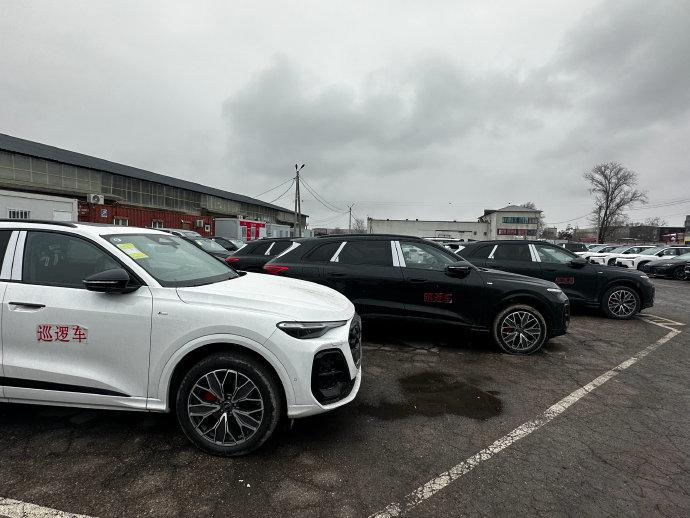
Russia has blocked the loophole in customs clearance for re-duty-free shipments in Central Asia. The price system of zero-kilometer used cars in Central Asia has been seriously disrupted. The local official selling price of BYD Song PLUS DM-i is 235,000 yuan, while zero-kilometer used cars are only a little over 140,000 yuan.
2. Bulk purchases and direct negotiations
For bulk purchase needs of more than 100 units, 4S stores are usually unable to directly handle them. They need to directly connect with the headquarters of the automobile company or the regional export department, involving special business terms and compliance processes.
3. Pre-export certification and compliance
Vehicles need to pass regulatory certification of the destination country before being exported (such as EU WVTA, U.S. DOT, etc.). The new licensing system requires companies to consider certification compatibility during the research and development stage to avoid quality incidents where regulatory mismatch is discovered after export.
5. Industry trends: from random rushing to steady fighting
1. Export data remains high
In the first 11 months of 2025, the export volume of new energy vehicles at Ningbo Port reached 26 billion yuan. The top three major markets are United Arab Emirates, Brazil and the European Union. Taizhou Damaiyu Port exported nearly 2000 new energy vehicles to Malaysia in a single time, setting a new high for the port area.
2. Compliance has become the main theme
The licensing system promotes enterprises to shift from pursuing quantity to pursuing quality, and overseas service networks, parts supply, and software iteration capabilities have become the core of competition.
The trend of localized factories led by automobile companies is obvious, such as deploying production capacity in Southeast Asia, South America, Europe and other places to achieve success.
3. Impact on overseas consumers
China electric vehicles purchased by overseas consumers in the future will be more reliable-with formal after-sales services, continuous software updates, and compliance with local regulations, but the price may no longer have the extreme advantages of zero-kilometer used cars.
Sources: ZAKER Information, Automotive Microscope
[Disclaimer] The content of this website (including pictures and texts) originates from the Internet, and the copyright belongs to the original author. Respect the rights and interests of originality, and select content is only used for information sharing. If copyright disputes are involved, please contact us to handle them in a timely manner

 Online Evaluation
 I am Buyer
 Export Services
 subsites


 023-62852688
  No. 1-1, No. 2899, Longzhou Avenue, Banan District, Chongqing City
 Headquarters


