
 Chinese
 Russian
 Arabic
Bolivia has decided to extend the import tax incentives for new energy vehicles until December 31, 2026. Among them, pure electric vehicles continue to enjoy a specific consumption tax (ICE) rate of 0%...
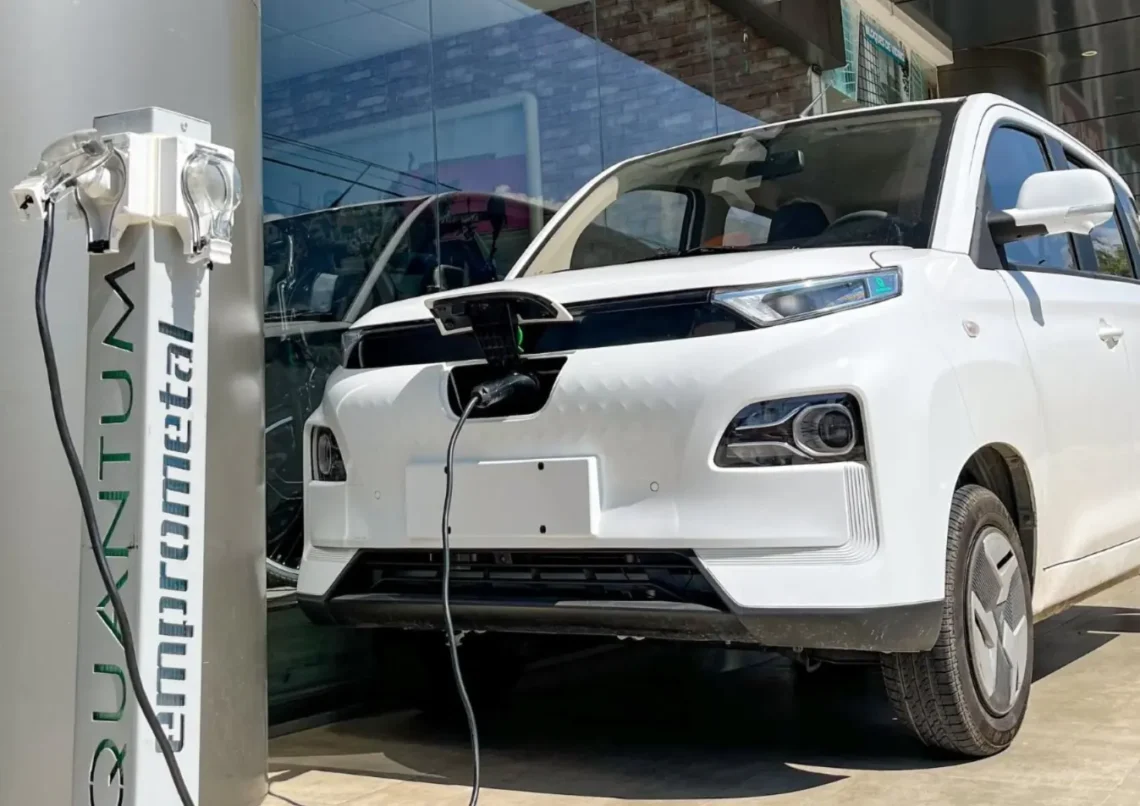
According to Decree No. 5653 published in the Official Gazette of Bolivia, Bolivia decided to extend the import tax incentives for new energy vehiclesuntil December 31, 2026. Among them, pure electric vehicles continue to enjoya specific consumption tax (ICE) rate of 0%, while hybrid models are subject to differentiated taxation based on power type and age of the vehicle. This policy is considered to be an important measure for Bolivia to continue to promote its electrification transformation against the background of tight fuel supply.
The new decree actually continues the decree No. 4539 promulgated in 2021. Since the previous preferential policy was originally due to expire this year, if no new decree is taken over, new energy vehicles will automatically resume the normal tax rate stipulated in Law No. 843. This time, the government issued new regulations in a timely manner to continue new energy tax incentives.
According to the new policy, allpure electric vehicles, includingelectric passenger cars and electric motorcycles, will continue to implement the ICE tax rate of 0% on the premise of complying with local import regulations, regardless of age. If agasoline-plug-in hybrid vehicle (PHEV)is a new car, the ICE tax rate of 0% is also applicable; while forordinary gasoline-electric hybrid (HEV), the tax rate starts from 3% to 5%, depending on the model and age of the vehicle, and can be increased to a maximum. To 20%.
It is worth noting that the policies fordiesel hybrid cars aresignificantly different. The decree stipulates that an ICE tax rate of 15% will be uniformly applied to this type of vehicle. Local media analysis believes that this reflects the Bolivian government's policy orientation to control diesel consumption. Since diesel has long been subsidized, the government hopes to restrict the continued growth of diesel vehicles through taxation and invest more policy resources in pure electric and gasoline hybrid vehicles.
Bolivia's Ministry of Economy and Public Finance stated that this policy adjustment is closely related to the current domestic energy situation. In recent years, tight fuel supplies, adjustments in fuel subsidy policies and rising fuel prices have gradually transformed new energy vehicles from the past "environmentally friendly choice" to more economical travel solutions. In this context, continuing to grant tax incentives for pure electric vehicles is believed to help reduce society's dependence on traditional fuels.
written in the end
Bolivia's extension of new energy tax incentives this time reflects that some Latin American countries are using new energy vehicles as an important tool to alleviate energy pressure. Although the Bolivian market size is relatively limited, the policy direction deserves attention. Future competition in the Latin American market is likely to depend not only on brands and prices, but also on whether the model meets local tax incentives. Especially in the field of new energy, the tax burden difference between different power forms is widening, and product planning in advance will be more competitive than simply relying on price advantages.
Source: Guangdong Good Car
[Disclaimer] The content of this website (including pictures and texts) originates from the Internet, and the copyright belongs to the original author. Respect the rights and interests of originality, and select content is only used for information sharing. If copyright disputes are involved, please contact us to handle them in a timely manner

 Online Evaluation
 I am Buyer
 Export Services
 subsites


 023-62852688
  No. 1-1, No. 2899, Longzhou Avenue, Banan District, Chongqing City
 Headquarters


