
 Chinese
 Russian
 Arabic

The Ghana Standards Authority (GSA) announced on October 5, 2026, that it would suspend the requirement for pre-shipment inspections of imported used cars. The new implementation date will be announced later…
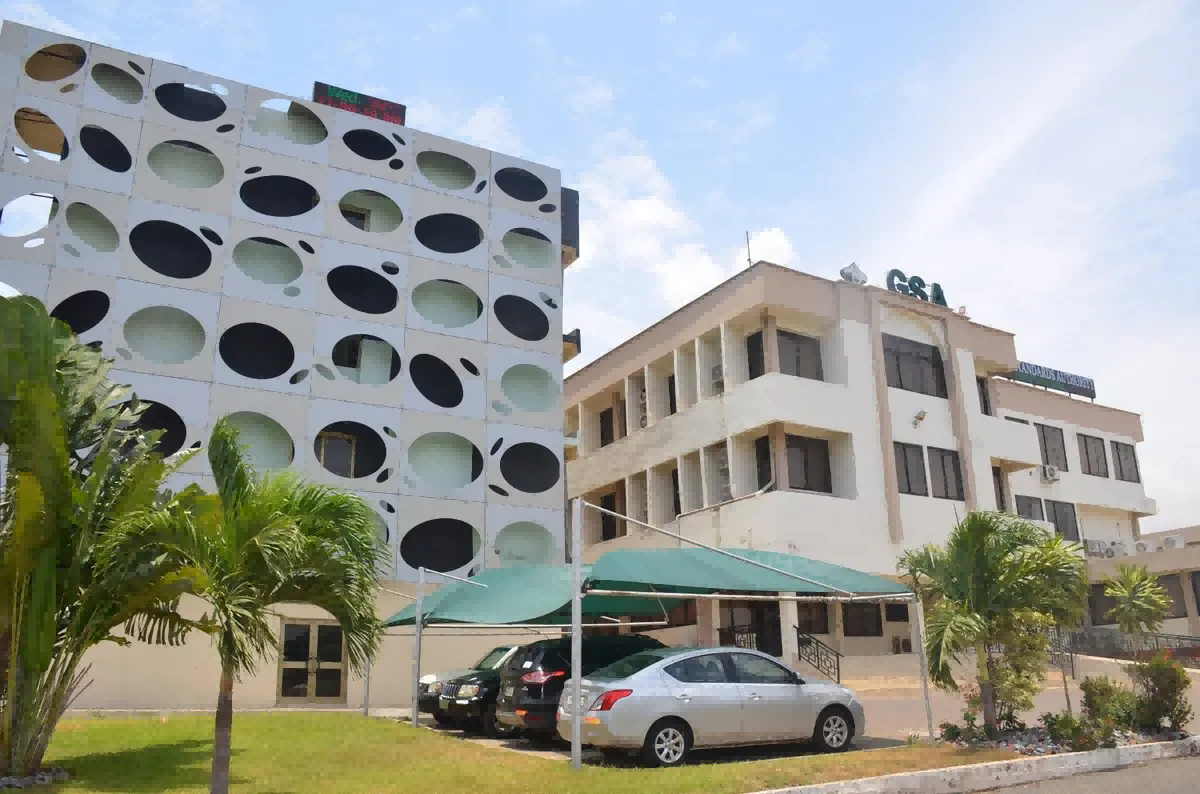
According to a statement released by the Ghana Autodata Chamber of Autodata Ghana, the GSA announced on October 5, 2026, that it would suspend the requirement for pre-shipment inspections of imported used cars. The new implementation date will be announced later. The chamber welcomed this decision, stating that the government has addressed industry concerns and provided time for negotiations regarding costs and the scope of applications.
The suspension was stated in GSA/DGS/PN/26/11. Previously, the authority announced in early August that from October 1, 2026, the “National Vehicle Type Approval and Qualification Assessment Program” (GS 4510:2022) would be strictly enforced.
The chamber noted that according to the original schedule, importers had less than eight weeks to adjust their procurement and transportation arrangements, while related activities were already underway. In addition to the tight implementation timeline, there were also concerns about the costs associated with inspections, as well as how commercial transport vehicles should be managed.
Importers are trying to adjust the implementation schedule through a petition
In response to these issues, the chamber submitted a formal petition to the President’s Office on August 10. The petition was then transferred to the Ministry of Transport on August 18, and later to the Ministry of Trade, Agriculture, and Industry for review.
In a statement signed by Executive Secretary George Dumenu, the chamber thanked President John Dramani Mahama, relevant ministries, parliament, and the Ghana Standards Authority for considering their concerns. The chamber stated that choosing to address the issues through a formal petition rather than confrontation demonstrated the value of constructive communication between the government and the industry.
The chamber also emphasized that it does not oppose the goal of improving safety and quality standards through the vehicle type approval program. However, its main concerns were related to the implementation timeline and methods of enforcement. During the suspension period, all parties should continue to negotiate, especially regarding how to handle vehicles that have been purchased or are currently in transit.
Costs for inspections, recognized institutions, and transport vehicle arrangements still need clarification
Regarding subsequent implementation details, the chamber requested that a detailed list of costs for the evaluation of used cars be published, along with information on recognized inspection agencies. This would allow importers to estimate costs and arrange inspections in advance.
Regarding commercial transport vehicles used for transporting food and other essential goods, the chamber hoped that separate arrangements would be made compared to other vehicles. Additionally, the chamber requested written explanations from authorities regarding any proposed annual licensing fees or import volume restrictions. These are matters that require further clarification, but it does not mean that the related fees or restrictions have been implemented yet.
The chamber reminded members and other vehicle importers that they must still comply with current regulations during the suspension period. At the same time, they should prepare for the future implementation of the program. The chamber stated that it will continue to work with the government and the Ghana Standards Authority to improve road safety while avoiding imposing excessive burdens on businesses and consumers. This will help maintain a fair business environment, allowing Ghanaians to purchase and use vehicles at affordable prices.
Conclusion
This suspension is a temporary measure to adjust operations. It should not be seen as a long-term exemption from inspections. Currently, attention should be focused on the official handling of purchased and in-transit vehicles, as well as arranging for the payment of inspection costs with Ghanaian buyers in advance. Quotations and shipping schedules should still be based on the official announcements from the Ghana Standards Authority. Do not rush to ship goods just because of the “suspension of new regulations.”
[Source: Guangdong Good Cars]
[Disclaimer] The content on this website (including images and text) is sourced from the internet. The copyright belongs to the original authors. We respect the rights of the original authors, and the content is used for sharing purposes only. If there are any copyright disputes, please contact us for timely handling.

 Online Evaluation
 I am Buyer
 Export Services
 subsites


 023-62852688
 No. 1-1, No. 2899, Longzhou Avenue, Banan District, Chongqing City

 Headquarters


