
 Chinese
 Russian
 Arabic

Starting from September 28, 2026, individuals are allowed to import cars only if the vehicle has been in use for no more than 5 years. These vehicles must be declared as passenger cars at customs, and relevant taxes must be paid at a uniform rate of no less than 48%. The rule that “a person can import only one car per year” remains in effect.
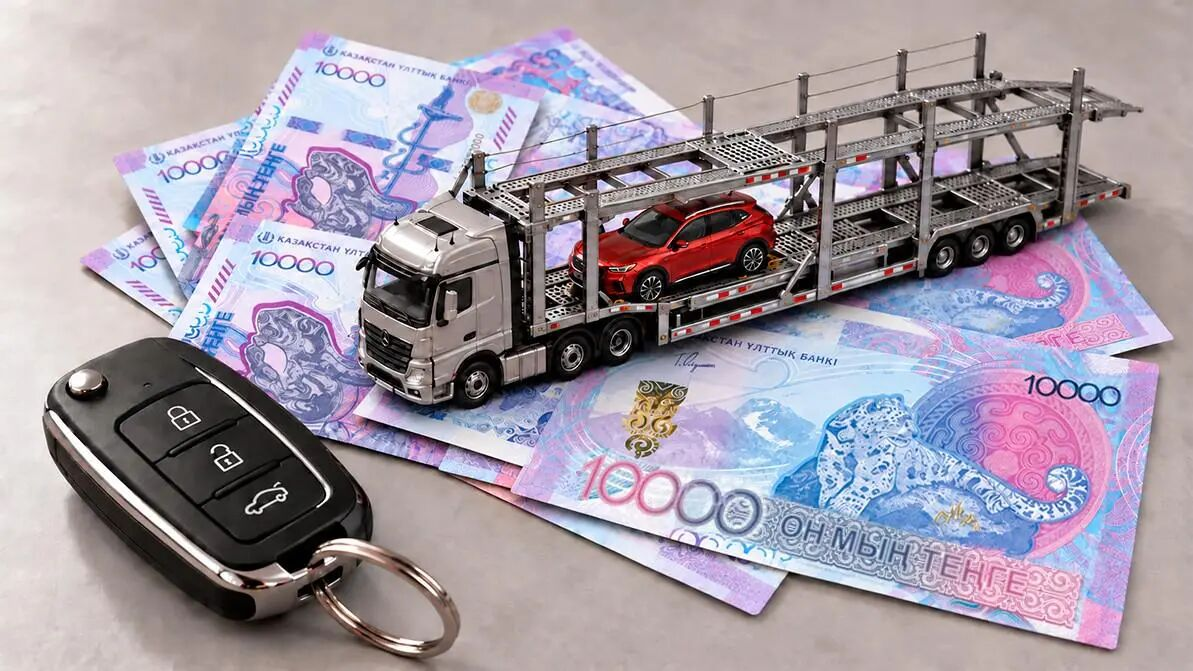
At this policy briefing, representatives from the Kazakh National Revenue Committee, Ministry of Transport, Ministry of Industry and Construction, Ministry of Trade and Integration, Ministry of Ecology and Natural Resources, Interior Ministry, “Atameken,” and industry associations participated. Officials stated that the basic requirements for importing cars have always existed, and this adjustment is aimed at simplifying current practices and ensuring consistency among related regulations.
Regarding the purpose of imports, Kazakhstan has once again clarified the distinction between personal use and commercial purposes. The National Revenue Committee explained that when individuals import cars for personal use, they must follow customs procedures for passenger cars, with tariffs calculated based on the unified rates of the Eurasian Economic Union. For cars within 3 years of manufacture, the tax rate is based on the vehicle’s value; for cars older than 3 years, the tax rate depends on the engine displacement and age of the vehicle.
If a car is imported for commercial purposes by individual businesses or other legal entities, a customs declaration must be submitted, along with customs fees, import duties, and 16% VAT. For certain models with an engine displacement exceeding 3000 milliliters, additional consumption taxes must also be paid.
The Ministry of Transport further explained that vehicles imported by individuals for personal use within Kazakhstan will need to meet European emission standards V5 or higher, and must be within 5 years of manufacture. This requirement applies only to vehicles entering the market for the first time, not to those already registered in Kazakhstan. Officials said this measure aims to gradually update the fleet and reduce the presence of old vehicles in the market.
The Ministry of Industry and Construction also explained that starting from September 28, when individuals apply for EПТС, the system will verify whether the information about the vehicle owner matches the information provided in the customs declaration. Additionally, vehicles that can be imported under this program must be within 5 years of manufacture, and the system will enforce a limit of one certificate per vehicle per year. Officials emphasized that this arrangement aims to increase transparency in vehicle imports, strengthen technical oversight, and promote fleet renewal.
Regarding the refund fee for scrapped vehicles, the Ministry of Ecology and Natural Resources stated that the collection mechanism remains unchanged: importers still need to submit applications to the operating agencies, who will then calculate the fees and issue invoices. After paying the fees, the corresponding certificates will be issued. However, starting from September 22, 2026, individuals must obtain a refund fee payment certificate before the vehicle is released for free circulation, i.e., before customs procedures are completed. This change does not apply to individual businesses and legal entities, which still need to obtain certificates before the vehicle is registered. If a vehicle is sold before registration, the certificate must be obtained before the sale.
Representatives from the Kazakh Automobile Association said that these new regulations help to verify the origin, historical background, and legal status of vehicles, thereby reducing the risk of purchasing problematic or mortgaged vehicles. All participants agreed that this is a step towards integrating various fragmented regulations into a more comprehensive system. However, the core logic remains the same: individuals can import vehicles for personal use, while commercial imports and subsequent sales remain part of commercial activities.
However, these new regulations have caused some local automobile operators to resist. On September 29, private car dealers from Aktobe sent a letter to the president, requesting the cancellation of the new car import regulations, citing high taxes and increased operational costs for used cars.
Conclusion
Kazakhstan’s new regulations clearly indicate that individual import channels are shifting towards younger and more compliant vehicles. Taxes, environmental requirements, and documentation standards are also increasing. Models that previously relied on “personal name customs clearance” will have fewer opportunities to be imported, especially those that are older. Only vehicles with good condition, short age, and complete documentation will be able to be imported.
Source: Guangdong Good Cars
[Disclaimer] The content of this website (including images and text) comes from the internet. The copyright belongs to the original authors. We respect the rights of the original authors, and the content is used for sharing purposes. If there are any copyright disputes, please contact us for handling.

 Online Evaluation
 I am Buyer
 Export Services
 subsites


 023-62852688
 No. 1-1, No. 2899, Longzhou Avenue, Banan District, Chongqing City

 Headquarters


