
 Chinese
 Russian
 Arabic
The market signal has been clear, and a new round of opportunities for used car exports to Russia is emerging!
According to the latest monitoring data from Russian automobile analysis agency AUTOSTAT, the average price of second-hand passenger cars in Russia reached 1.423 million rubles in February 2026, breaking through the 1.4 million rubles mark again after half a year, up 2.3% month-on-month from January. The seller's offer is showing a tentative upward trend, sending a clear profit signal to domestic second-hand car exporters.
This round of price recovery is not accidental, but the result of the combined effect of the imbalance between supply and demand in the Russian used car market and policy adjustments. It also hides market gaps that domestic exporters can accurately penetrate. By seizing this trend, we can seize the opportunity and lock in profits.
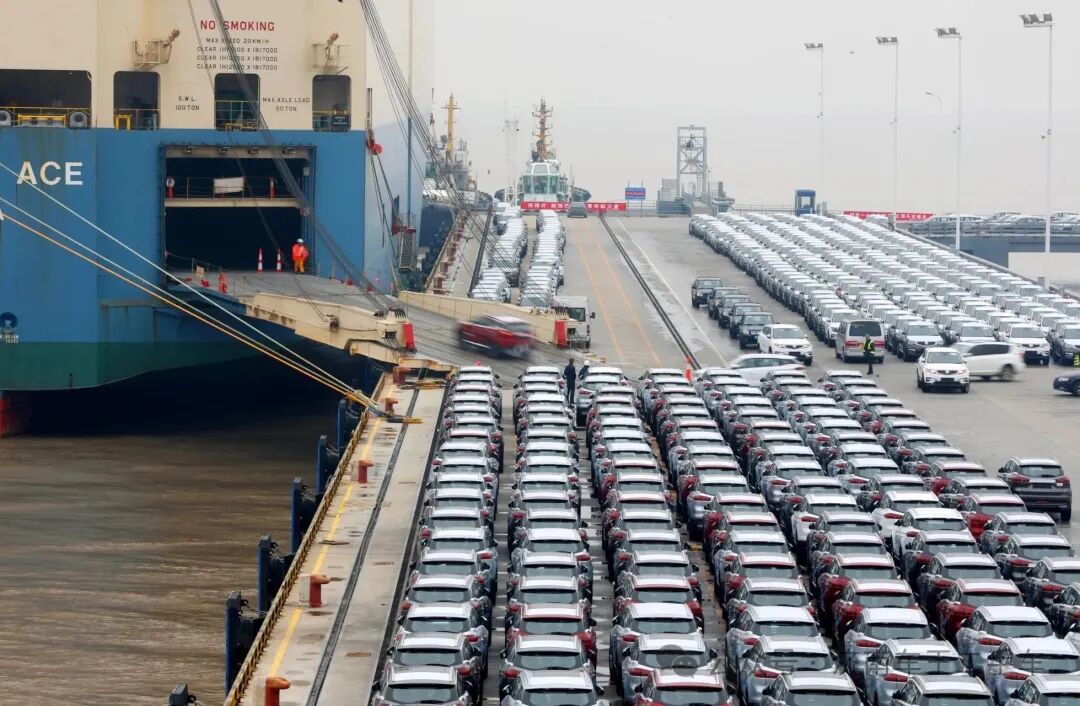
The average price exceeded 1.4 million rubles: it was not an accident, it was an inevitable correction of the market
Looking back at the trend of the Russian used car market, the average price has been stable at more than 1.4 million rubles for many years, but it has fallen below this key level since September 2025, and has been hovering in the range of 1.358 million-1.396 million rubles for the next six months until 2026 It only rebounded again in February and was regarded by the industry as a "phased turning point".
What needs to be clear is that the average price monitored this time is a market-listed quote, which better reflects the seller's profit expectations and market prosperity, rather than the final transaction price. However, this change is enough to show that the downward pressure on prices in the Russian used car market has eased, the support on the demand side is gradually increasing, and the contraction in supply has further boosted the price recovery.
There are two core logic behind it, which are the core that exporters must focus on:
First, there is still a local supply gap for new cars. In 2025, new car sales in Russia will fall by 15% year-on-year to only 1.3 million vehicles. Insufficient local production capacity and tightening import restrictions have led consumers to turn to the used car market, pushing prices back under just needed support. It is worth noting that China brand used cars have performed well in Russia. The average price at the end of February 2026 has exceeded 2.2 million rubles, and its market share has doubled compared with the same period last year, becoming an important force driving price increases. Second, policy costs are transmitted to the terminal. In 2026, Russia will significantly increase vehicle scrapping fees, and the superimposed value-added tax rate will increase from 20% to 22%, which will directly push up the circulation cost of used cars and become an important incentive for sellers to raise prices. Among them, scrapping fees for high-power (>160 horsepower) vehicles have increased. Amazing, almost no profit margin.
For domestic exporters, this means that the space for "low-price exports and high-price profits" has further expanded-domestic used car prices have fallen, coupled with the rebound in Russian market prices, and the gap in the middle has continued to widen. The profits of ordinary models can reach 1,000 - 1,500 US dollars, the profits of scarce boutique cars can even reach 20,000 - 30,000 yuan, and the profits of some companies operating in compliance can exceed 30,000 yuan at most.
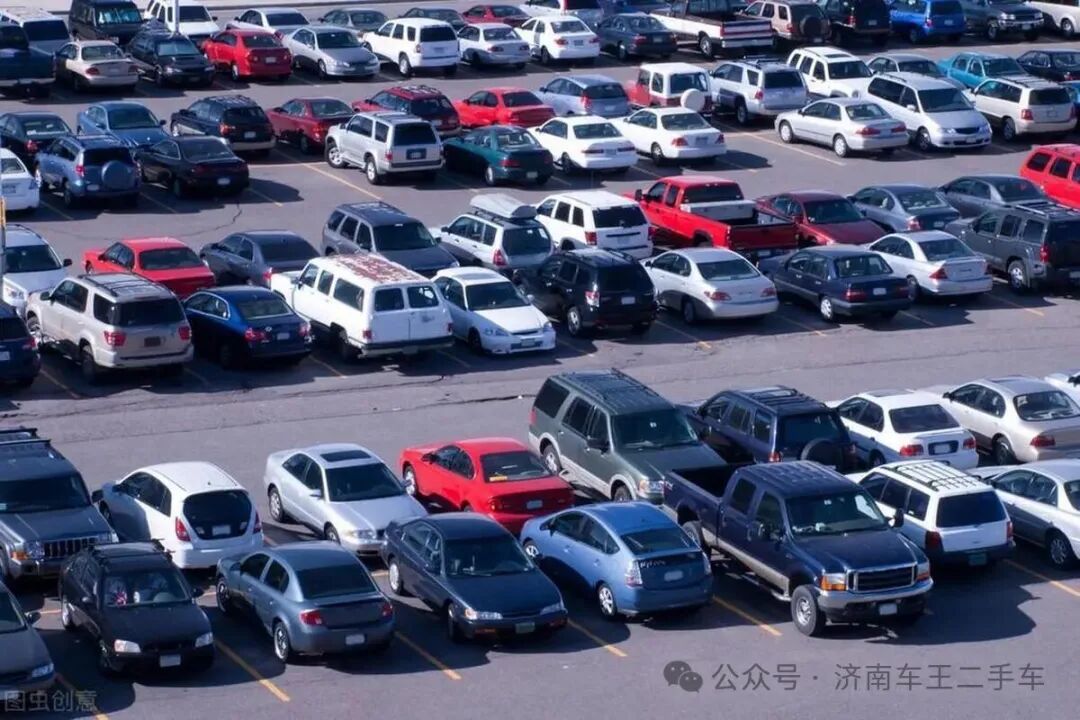
A must-see for exporters: policy red lines + product selection logic to avoid traps and accurately dig gold
Behind the opportunities, policy thresholds and market risks are inevitably accompanied. In 2026, both China and Russia will strengthen supervision of the trade in used cars. If exporters want to seize this wave of price increases, they must thoroughly understand the policy and choose the right model to achieve compliance profits. In particular, they must be wary of policies after the previous "profiteering era". Tighten risks.
Observe the compliance red line first: these 4 points must not be touched
Compliance is the prerequisite for exports. New regulations will be introduced intensively in 2026. Once these red lines are touched, customs clearance will be blocked, and vehicles will be detained and heavy losses will be caused. The joint issuance of a document by the four departments will further standardize the export order and curb disorderly competition:
1. Domestic end: If the export vehicle has been registered for less than 180 days, the vehicle manufacturer must provide the "After-Sales Maintenance Service Confirmation Form". The content must include the export country, vehicle information, after-sales service outlets, etc., and be stamped with the official seal of the company. Otherwise, the export license cannot be applied for., the export route of "zero-kilometer used cars" is basically blocked; Enterprises must first complete the filing with the provincial commercial authority before applying for an export license. The license is subject to "one batch, one license". A maximum of 20 vehicles can be applied under the same code, and customs clearance must be completed at one time. At the same time, the application information must be filled in a standardized manner. Ensure consistency with the Motor Vehicle Registration Certificate.
2. Russian end: Fuel vehicles over 5 years old and with a displacement of more than 2.0L are subject to an additional import tax of 15%, and old fuel vehicles above 2.0L are prohibited from entering the country; imported used vehicles must meet Euro 5 emission standards and are less than 5 years old., install ERA-GLONASS emergency call system, and require SBKTS vehicle safety certificate for vehicles over 3 years old; high-power (>160 horsepower) vehicles are scrapped.
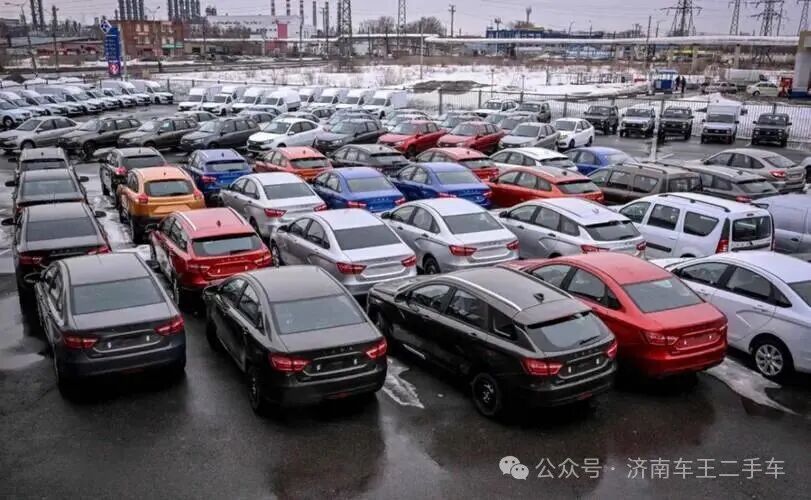
Choose precise models again: These types of cars are the most popular and profitable
Combined with Russian market demand and policy orientation, exporters should focus on the following three types of models to achieve "precise matching and rapid volume", avoid the loss trap of unpopular models, and optimize the selection strategy with reference to the characteristics of the main export models at Suifenhe Port:
1. New energy vehicles (priority layout): From 2026 to 2028, Russia will exempt second-hand pure electric vehicles and plug-in hybrid vehicles from 20% import tariffs, and only need to pay 10% value-added tax. The cost of a single vehicle will drop by 15,000 - 30,000 yuan; At the same time, the Russian government has launched a "green car purchase subsidy". Individuals who purchase second-hand new energy vehicles can enjoy a subsidy of up to 50,000 rubles (about 4200 yuan), and terminal demand is strong. Priority should be given to compact SUVs (such as BYD Song PLUS EV) and family cars (such as Geely Geometry C) with a battery life of more than 400 kilometers, support Russian vehicle systems, and have low-temperature battery preheating function to meet local family travel and low-temperature winter needs. Pay attention to the special compliance requirements of new energy used vehicle logistics to avoid transportation risks.
2. Economical fuel vehicles (main vehicle volume): Focus on models below 1.6L, power ≤160 horsepower, and 3-5 years old. The scrapping tax on these vehicles is only one-fifth of that of new vehicles, and the price is only 30% of that of local new vehicles. -40%, which meets the needs of middle-income groups in Russia, can avoid the risk of high taxes and fees, is suitable for bulk transportation. It is also the main vehicle model exported at Suifenhe Port, mainly sold to the Russian Far East and parts of Europe.
3. Scarce boutique cars (high-profit supplements): 30,000 - 50,000 kilometers, four-wheel drive top-of-the-line models are highly scarce in the Russian market and have significant profit margins. They can be used as supplements to improve overall profitability. Attention should be paid to avoiding unpopular models. Avoid inventory backlog losses.
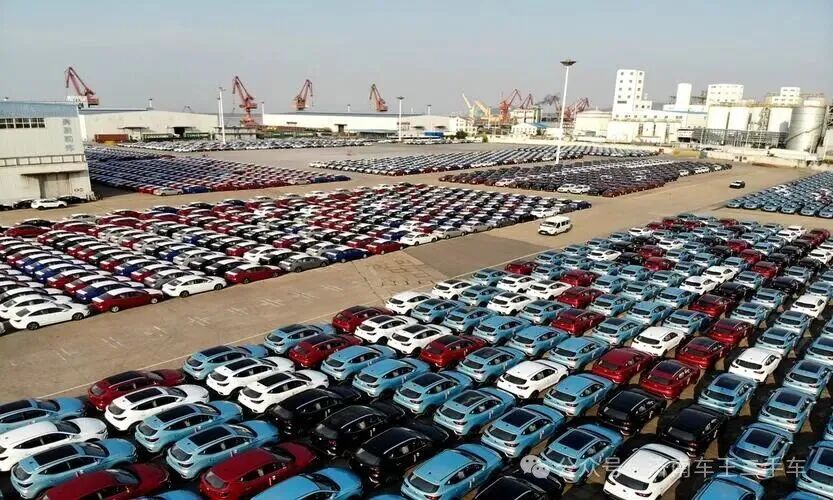
Practical guidance: Logistics + channels to efficiently open up export links
After selecting the right model and maintaining compliance, efficient logistics and precise channels are the key to seizing the market. These two points can be directly referred to mature practical plans, especially the mature experience of Suifenhe Port to improve export efficiency and competitiveness:
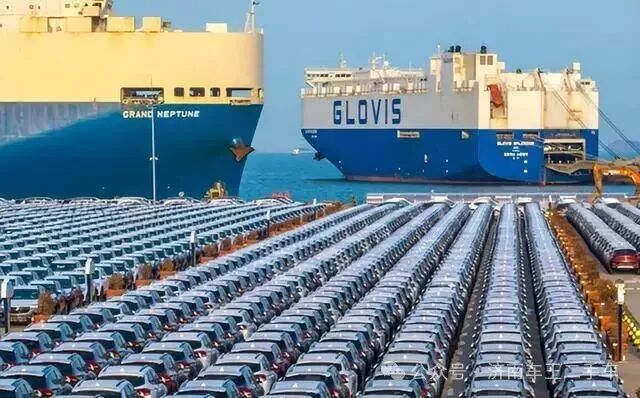
Logistics: Priority is given to core ports such as Suifenhe and Manzhouli. Relying on the geographical advantages of the Sino-Russian border, the export process is efficient. In 2025, Suifenhe Port will export more than 74,000 vehicles, a year-on-year increase of 112.3%; Relying on China-Europe freight trains + land transport lines, you can reach Moscow directly in 15-20 days. The logistics cost is 25% lower than that of sea transportation, and the timeliness is increased by 40%. Some routes depart from China and exit through Suifenhe, and can reach the Far East of Russia in 7-10 days. The transportation cost of a single truck is about 5,000 - 6,000 yuan; If conditions permit, bonded warehouses can be deployed in Moscow to achieve "72-hour delivery", or front-end experience halls and after-sales service stations can be established in Russia to improve local service response speed and enhance competitiveness. At the same time, appropriate transportation methods can be selected according to vehicle types. New energy vehicles will give priority to ro-ro ships to reduce compliance risks.
Channel aspects: Connect with Auto.ru and Avito, Russia's largest used car platforms, which have more than 12 million annual active users and can accurately reach individual buyers and local dealers; at the same time, we use Russia's digital consumption characteristics to display vehicle details through Chinese-Russian bilingual Short Video and live broadcasts, and provide VR car selection and remote car inspection services to reduce communication costs and improve transaction efficiency; It can also connect with local dealers to ship goods in batches, simplify processes and reduce risks. Some companies export through B-side channels, which has shorter processes and simpler procedures, and can flexibly choose cooperation models.
Last reminder: Seize the window period and avoid potential risks
The current tentative price increase in the Russian used car market is a golden window for domestic exporters, but it needs to be clarified: The rebound in market quotes does not mean that the transaction side is strengthening simultaneously. Russian consumers are extremely sensitive to prices. In addition, the local economy is experiencing a structural recession, high inflation rate, and intensified fluctuations in the ruble exchange rate. Coupled with the surge in the annualized interest rate of auto loans to 30%, this has suppressed terminal demand and exchange rate fluctuations may also lead to losses for companies in payment. Exporters need to make rational judgments and carefully stock up their stocks.
It is recommended that exporters use the average price of 1.4 million rubles as a reference line for product selection and pricing, rather than the transaction price, and allow enough price maneuver space when negotiating and stocking; at the same time, establish a policy tracking mechanism to pay close attention to the latest developments in Russian taxes, fees and import restrictions to avoid inventory overstocking; Clarify tax and fee obligations and overdue responsibilities in trade contracts to avoid potential risks such as "outstanding payments by predecessors" and "losses caused by exchange rate fluctuations". At the same time, establish a credit management system to avoid credit risks of overseas buyers; In addition, we can rely on the policy advantages and service convenience of mature ports such as Suifenhe to reduce export compliance costs and improve customs clearance efficiency. At the same time, we can focus on vehicle quality and after-sales service to establish a good reputation for used cars in China, lay a foundation for long-term cooperation, avoid short-term speculative mentality, and prepare for a "protracted war" can we continue to make profits in the used car export market to Russia.
Source: Leading the way to the sea by Gaoshen's car
[Disclaimer] The content of this website (including pictures and texts) originates from the Internet, and the copyright belongs to the original author. Respect the rights and interests of originality, and select content is only used for information sharing. If copyright disputes are involved, please contact us to handle the deletion in a timely manner.

 Online Evaluation
 I am Buyer
 Export Services
 subsites


 023-62852688
  No. 1-1, No. 2899, Longzhou Avenue, Banan District, Chongqing City
 Headquarters


