
 Chinese
 Russian
 Arabic
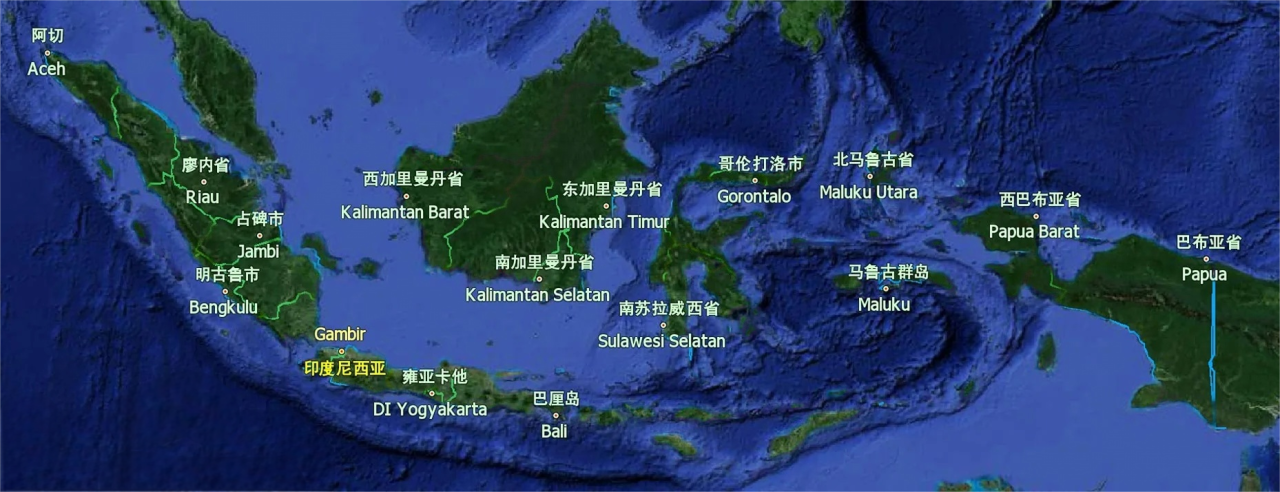
Indonesia (hereinafter referred to as Indonesia), located in southeastern Asia, is the world's largest island country, with a land area of 1.914 million square kilometers and a marine area of 3.166 million square kilometers (excluding the exclusive economic zone).
Indonesia has more than 300 ethnic groups and more than 200 ethnic languages. The official language is Indonesian. About 87% of the people believe in Islam, making it the country with the largest Muslim population in the world.
Indonesia is the fourth most populous country in the world. As of 2025, Indonesia's population will be approximately 290 million, with a total of 38 first-level administrative regions (provincial levels).
Indonesia is rich in natural resources and is known as the "Tropical Treasure Island". It is rich in agricultural and forestry products such as palm oil and rubber. It is rich in oil, natural gas, and mineral resources such as coal, tin, aluminum alum, soil, nickel, copper, gold, and silver.
Indonesian economy overview

In 2023, Indonesia's GDP will be US$1.37 trillion; per capita GDP will be US$4940. According to data released by the World Bank, the proportions of Indonesia's agriculture, industry and services in GDP are 12.53%, 40.22% and 42.88% respectively.
Indonesia's total foreign trade was US$480.7 billion, of which total imports were approximately US$221.9 billion, down 6.55% year-on-year; total exports were approximately US$258.8 billion, down 11.3% year-on-year.
Indonesia's characteristic industries include oil and gas, mining, tourism, etc. The government announced that the oil reserves are 9.7 billion barrels, equivalent to 1.31 billion tons. Indonesia is rich in tourism resources, with a total of 11.68 million foreign tourists in 2023, a year-on-year increase of 98.3%.
Indonesia's car market
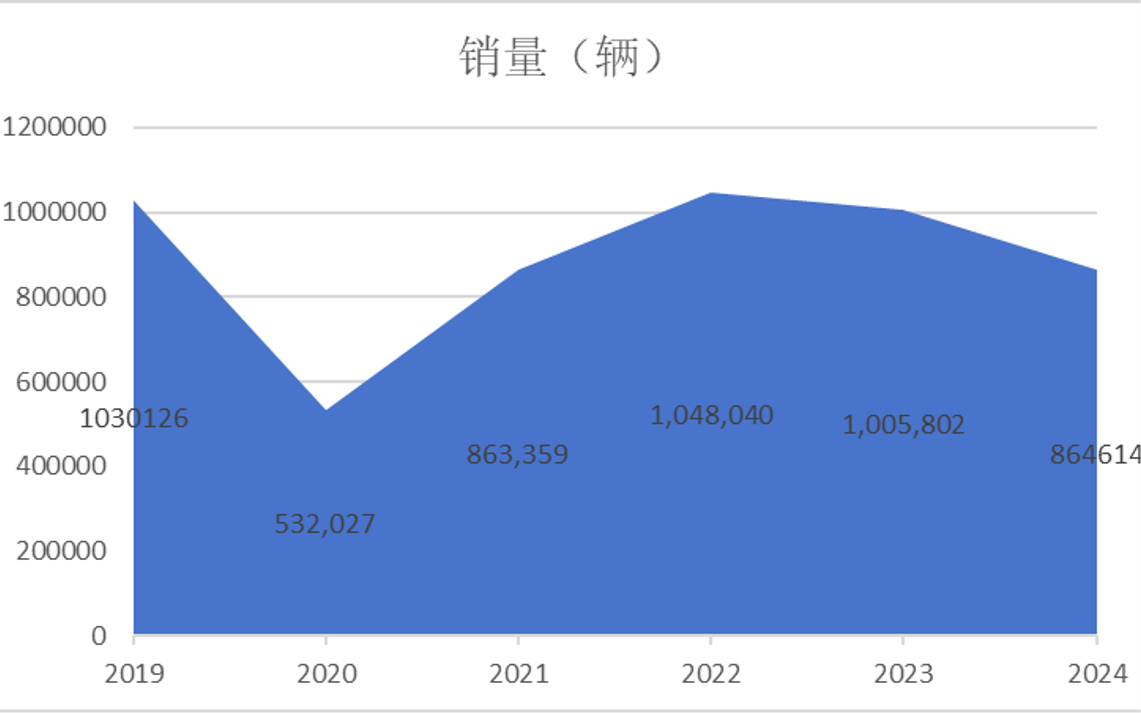
Automobiles are one of Indonesia's pillar industries, and the country is currently the largest automobile consumer in Southeast Asia. At present, Indonesia has more than 20 automobile companies, with an annual automobile output of about 1.4 million vehicles. It is the second largest automobile producer in Southeast Asia. A total of 864614 vehicles were sold throughout 2024.
Current situation of Indonesia's new energy vehicle industry
From January to November 2024 in Indonesia, sales of pure electric vehicles were 37302, with a market share of 4.7%. In 2022 and 2023, sales of pure electric vehicles in Indonesia will be 7923 and 13916 respectively. Sales of pure electric vehicles in 2024 will be nearly three times that of 2023. The brand with the highest sales volume is SAIC-GM-Wuling. After BYD enters Indonesia in 2024, its monthly sales will increase to more than 2000 vehicles.
Government goal: ·By 2025, 6318 electric vehicle charging stations and 10000 battery replacement stations will be built.·In 2030, push 2 million electric vehicles to the road.·In 2030, 140GWh of electric vehicle batteries will be produced every year, becoming a major participant in the global battery supply chain.

Preferential government tax policies: ·Tax exemption policies: In order to attract foreign direct investment and promote the development of the electric vehicle industry, the Indonesian government provides tax exemption policies to many electric vehicle manufacturers including China car companies BYD and GAC Aian. If these companies promise to establish factories in Indonesia, they will enjoy a preferential tax rate of 15% exemption from import duties and luxury goods sales tax. This policy will take effect in early 2025.
·Production subsidies and sales tax exemptions: In order to encourage the production and sales of electric vehicles, production subsidies will be provided to electric vehicles with a certain proportion of domestic parts and components, and sales taxes will be reduced. For example, reduce sales tax from 11% to 1%.
·Car purchase subsidies: Provide high subsidies to electric vehicle buyers to narrow the price difference between electric vehicles and traditional fuel vehicles, thereby driving sales of electric vehicles.
Risk warning for Indonesian car market
1. Complex industrial and commercial procedures. Opening a company in Indonesia has many steps, involving multiple government agencies, and takes a long time. At the same time, companies face a complex tax system with 51 different taxes per year.
2. Insufficient foreign exchange reserves Indonesia's foreign exchange reserves are insufficient and funds are relatively short. Many large projects require capital contracting or the use of preferential loans provided by foreign parties.
3. The cost of buying a car is too high. The Indonesian automobile market is sensitive to financing costs. About 80% of purchases rely on loans, and the loan interest rate is relatively high among ASEAN countries, which has a negative impact on automobile sales.
Source: Yangtze River Delta new energy vehicle industry offshore base
This article is reproduced from the Yangtze River Delta New Energy Vehicle Industry Offshore Base and is only used for information sharing. If infringement is involved, please contact and delete it. This site does not bear relevant legal responsibilities.

 Online Evaluation
 I am Buyer
 Export Services
 subsites


 023-62852688
  No. 1-1, No. 2899, Longzhou Avenue, Banan District, Chongqing City
 Headquarters


