
 Chinese
 Russian
 Arabic

Iran has suspended all luxury car imports. This decision applies not only to ordinary car importers, but also to overseas Iranian citizens who previously enjoyed special import arrangements...
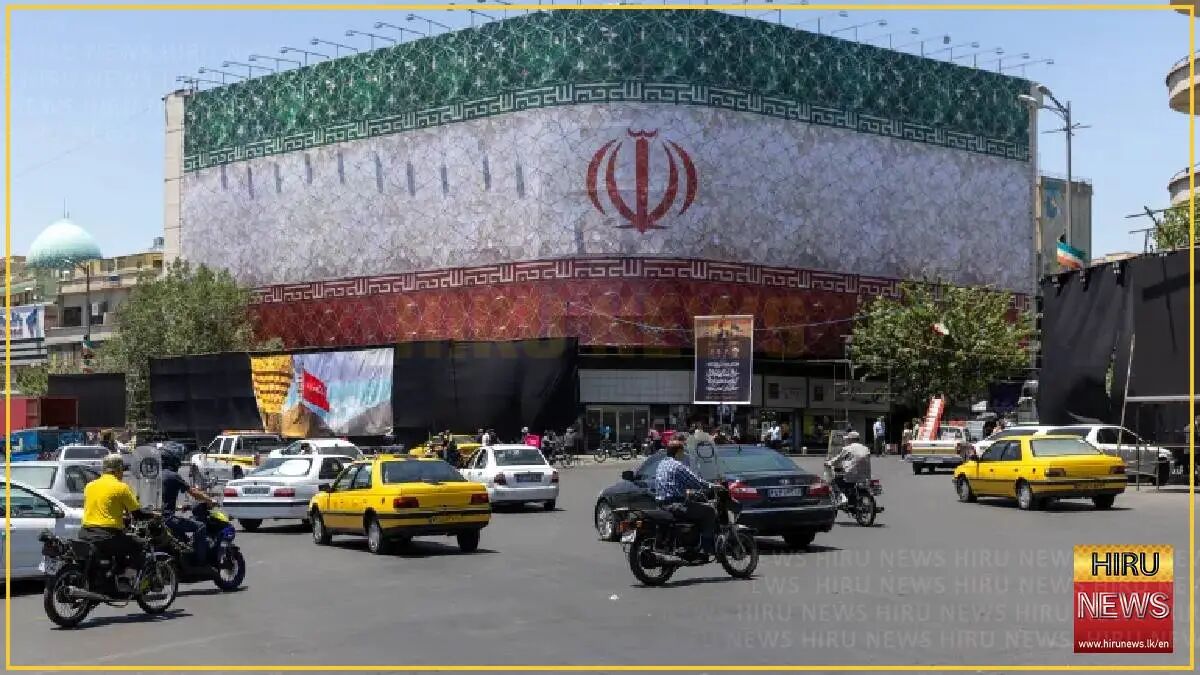
According to local Iranian economic media and related reports, the Iranian Ministry of Industry, Mines and Trade recently announced that in accordance with the president's instructions, the government has suspended the import of all luxury cars. This decision applies not only to ordinary car importers, but also to overseas Iranian citizens who previously enjoyed special import arrangements.
It is worth noting that just a few weeks ago, the Iranian government approved overseas Iranians to import luxury cars, includingMercedes-Benz Maybach,but now it has suddenly changed its policy, reflecting that Iran's car import management is facing greater uncertainty.
The report pointed out that this policy shift is related to Iran's continuedforeign exchange pressure, the risk of currency devaluation, and differences within the government on the priority of foreign exchange use.
Maybach had just been allowed to import, and a few weeks later, the import of luxury cars was completely suspended
According to reports, in mid-September this year, the Iranian Ministry of Industry, Mines and Trade approved overseas Iranian citizens to import high-end models such as Mercedes-Benz Maybach.
At that time, Iran hoped to use the foreign exchange funds of overseas Iranians to expand some car import channels.
Amid international sanctions, foreign exchange tensions and wartime economic pressures, overseas Iranians used personal funds to buy cars, which was once seen as a way to supplement supplies to the local auto market.
Some economic officials also linked previous import release measures to warehousing clearance and commodity circulation needs during special periods, believing that the relevant arrangements have certain economic significance.
But this policy did not last long.
According to the latest decision, the Iranian government has suspended the import of luxury cars. Even if the vehicles are purchased by Iranian citizens living overseas using personal funds, they cannot continue to be imported under previous special arrangements.
This means that some luxury car import channels that have just been approved before may be closed again.
However, the report did not disclose the complete details of the implementation of the ban, including whether vehicles that have obtained import licenses, completed payments or are in transit enjoy transitional arrangements, and still need to wait for further clarification from the Iranian authorities.
The core reason for banning the import of luxury cars is foreign exchange pressure
Behind this policy change are the Iranian government's concerns about the stability of the foreign exchange market.
According to reports, different opinions have previously emerged within the Iranian economic sector.
Those who support relaxing the import of luxury cars believe that allowing overseas Iranians to use their own foreign exchange to buy cars canincrease the supply of the automobile market and bring certain economic benefits to related trade activities.
But opponents believe that even if importers use foreign personal funds, luxury car imports may still increase trading demand in the foreign exchange market and furtheraggravate the devaluation pressure on the Iranian rial.
An official from the Central Bank of Iran has previously warned that imports of high-end cars may have a negative impact on domestic monetary stability, and this impact does not depend entirely on where car purchase funds come from.
Especially in the context of Iran's free market exchange rate continuing to fluctuate, luxury cars often require large amounts of foreign currency payments such as U.S. dollars and euros, making it easier to become the focus of foreign exchange control policies.
From the perspective of policy logic, the Iranian government is obviously paying more attention to short-term exchange rate stability than expanding market supply by relaxing imports of luxury cars.
There are clear differences within the Iranian government over car imports
The report believes that this sharp turn in policy also reflects the different judgments of Iran's economic decision-making departments on the issue of automobile imports.
Some officials hope to moderately open trade and alleviate the problem of insufficient domestic car supply by allowing overseas funds to participate in car imports.
Other officials place more emphasis on the management of foreign exchange resources, hoping to limit the import of non-essential goods and avoid increasing local currency depreciation and inflationary pressure.
The previous approval of Maybach imports represented a relatively loose policy direction; now the president's direct request to suspend the import of luxury cars shows that the policy stance of restricting imports of high-end consumer goods has the upper hand in current decision-making.
For automobile trading companies, an exporting company may have completed vehicle procurement in accordance with the previously approved import policy, but before transportation or customs clearance, the destination country suddenly adjusts access requirements, which may result in orders being unable to be fulfilled normally.
Especially in markets like Iran, which are affected by international sanctions, foreign exchange restrictions and logistics uncertainties, the losses caused by policy changes may be much higher than in ordinary markets.
Iran's automobile import policy may further tilt towards people's livelihood models
Judging from this policy change, the Iranian government is more strictly distinguishing the actual use and economic priority of automobile imports.
With limited foreign exchange resources, expensive luxury cars are more likely to be restricted, whileeconomical cars thatmeet thetransportation needs of ordinary residents may have stronger policy rationality.
However, this does not mean that Iran will definitely relax the import of ordinary used cars simultaneously.
Whether economic vehicles can be imported still depends on local vehicle age limits, import quotas, foreign exchange arrangements and relevant approval requirements.
For China's second-hand car exporters, what may be more worthy of continuous research at this stage are economical fuel vehicles and hybrid cars with relatively low prices, controllable cost of use, and easy maintenance.
Compared with high-end luxury cars, these products are closer to the replacement needs of ordinary local consumers, and are also more in line with the Iranian government's policy direction of controlling foreign exchange expenditures and ensuring basic transportation needs.
Source: Guangdong Good Car
[Disclaimer] The content of this website (including pictures and texts) originates from the Internet, and the copyright belongs to the original author. Respect the rights and interests of originality, and select content is only used for information sharing. If copyright disputes are involved, please contact us to handle them promptly

 Online Evaluation
 I am Buyer
 Export Services
 subsites


 023-62852688
 No. 1-1, No. 2899, Longzhou Avenue, Banan District, Chongqing City

 Headquarters


