
 Chinese
 Russian
 Arabic
Silk Road New Observation, Tashkent, January 6. According to a report by "Newspaper Network" on January 5, starting from January 1, 2026, Uzbekistan (referred to as: Uzbekistan)'s preferential tariff policy for small-displacement imported cars will expire, and the tax reduction decision implemented two and a half years ago has not been extended.

In June 2023, President Uzbekistan signed a decree to reduce import tariffs on economic vehicles to:
For cars with engine displacements below 1000 cubic centimeters, tariffs will be reduced to 0%;
For cars with engine displacements below 1200 cubic centimeters, tariffs will be reduced to 5%.
With the end of the preferential period, the standard tariff rate has been resumed since the beginning of this year. The current collection standards are as follows:
For new passenger cars less than one year old and with a displacement of less than 1000 cubic centimeters, the tariff is 15% of the customs value, plus US$0.4 per cubic centimeter;
For new passenger cars less than one year old and with a displacement of less than 1200 cubic centimeters, the tariff is 15% of the customs value, plus US$0.6 per cubic centimeter.
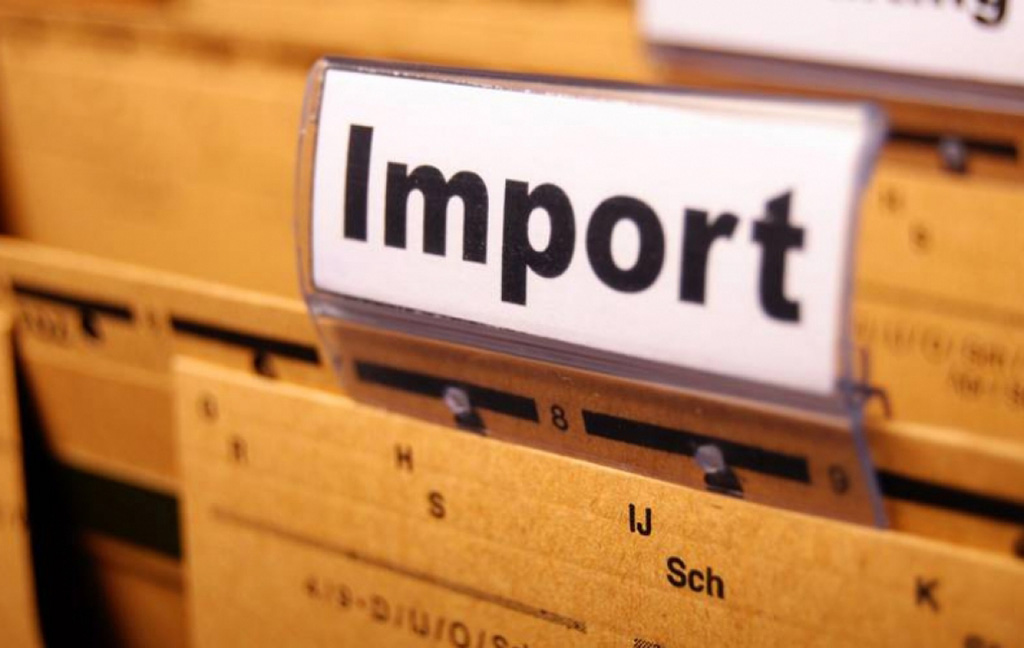
According to a report by "Uzi News Network" on January 5, according to a decree recently signed by Uzbek President Mirziyoyev, the country's zero-tariff policy on various imported goods will be extended for another year, valid until 2027 January 1.
Starting from May 2022, Uzbekistan's presidential decree stipulates a one-year import tariff exemption for 23 categories of food. This extension covers the above products, as well as the 36 new categories of products in March 2023, and the discount will continue to be valid.
Categories involved include: canned fish and caviar, canned meat, milk, coffee, citrus fruits, cheese, curd, chocolate, bread, baked goods and pasta, hair care products, deodorants, shaving products, perfumes, children's wear, fruits, nuts, etc.
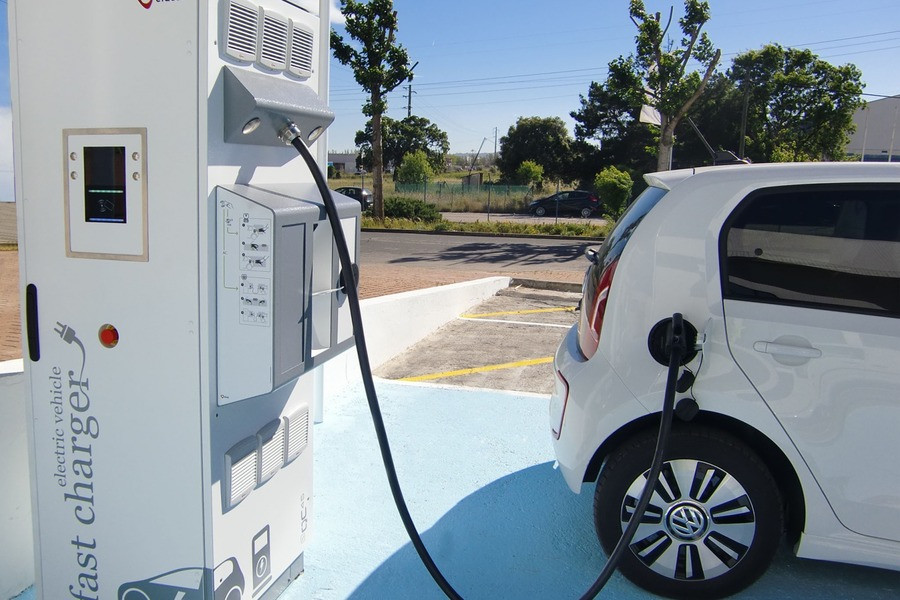
Before January 1, 2028, the zero tariff policy will also apply to:
Electric vehicle charging stations and their components, as well as technical equipment used to establish and develop supporting service infrastructure;
Parts and components for silk processing and textile equipment, mulberry seeds and seedlings, and high-quality silkworm original seeds and industrial seeds. In addition, before January 1, 2031, companies used to process domestic waste, construction waste and medical waste, as well as companies engaged in the processing of biodegradable polymer materials, will use special equipment and technology not produced in the country during the production process. Equipment, parts, accessories, and raw materials will be exempted from import tariffs.
At the same time, Uzbekistan will implement tax exemptions and exemptions for enterprises engaged in waste treatment. During the period from January 1, 2026 to January 1, 2031, taxpayers who meet the following two conditions will have their income tax and social tax rates set at 1%:
During the reporting tax period, the income from waste collection, transportation, classification and processing shall not be less than 90% of the total income;
The monthly salary paid to each employee shall not be less than twice the minimum wage.
Source: Comprehensive Compilation of New Observations in Uzbekistan
[Disclaimer] The content of this website (including pictures and texts) originates from the Internet, and the copyright belongs to the original author. Respect the rights and interests of originality, and select content is only used for information sharing. If copyright disputes are involved, please contact us to handle the deletion in a timely manner.

 Online Evaluation
 I am Buyer
 Export Services
 subsites


 023-62852688
  No. 1-1, No. 2899, Longzhou Avenue, Banan District, Chongqing City
 Headquarters


