
 Chinese
 Russian
 Arabic
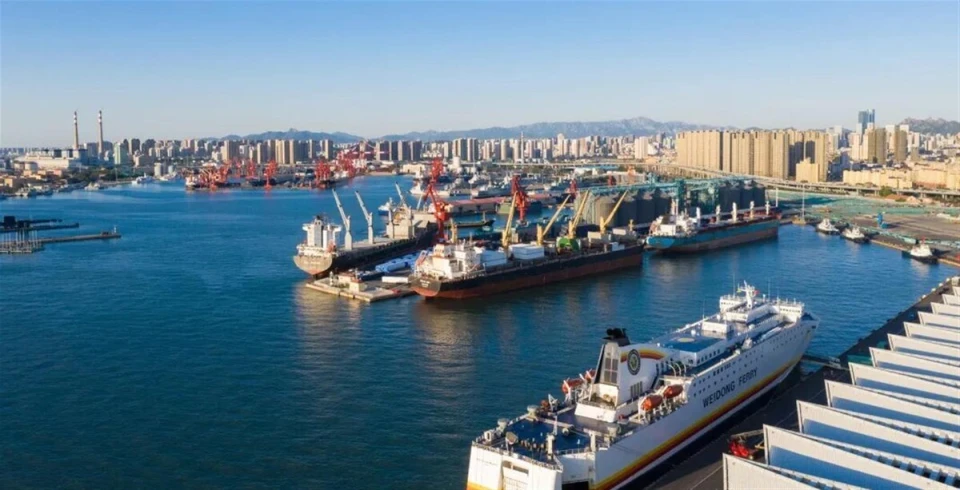
The recent sudden changes in the situation in the Middle East have once again plunged the global shipping market into tension. The two major shipping throats of the Strait of Hormuz and the Red Sea have been blocked at the same time. The leading shipping companies have collectively announced the suspension and diversion of flights. The international logistics industry is facing unprecedented challenges. The shipping schedules, costs, and delivery plans of foreign trade and logistics practitioners have all been directly affected, and supply chain security has become the core concern of the current industry. The trigger of this shipping crisis was the sudden escalation of the situation in the Middle East. Iran announced a ban on ships passing through the Strait of Hormuz. At the same time, attacks in the Red Sea region also resumed simultaneously, putting the safety of traffic in two key waterways at risk. As the core artery of global shipping, the Strait of Hormuz is responsible for about 20% of the world's oil transportation and is a key hub for the entire Middle East route. Its restricted traffic has directly triggered a chain reaction in the global shipping market. Faced with a high-risk navigation environment, the world's leading ship companies quickly responded: Maersk suspended navigation in the Red Sea and urgently diverted some routes; CMA and CMACGM evacuated all Gulf ships to safe waters; Hapag-Lloyd directly suspended all ships passing through the Strait of Hormuz;MSC Mediterranean Shipping also simultaneously avoided high-risk waters and urgently adjusted shipping schedules. For a time, a large number of container ships and oil tankers were suspended, turned around, and stranded at the mouth of the strait. The two key waterways were in fact suspended.
Direct impact of shipping obstruction on used car exports
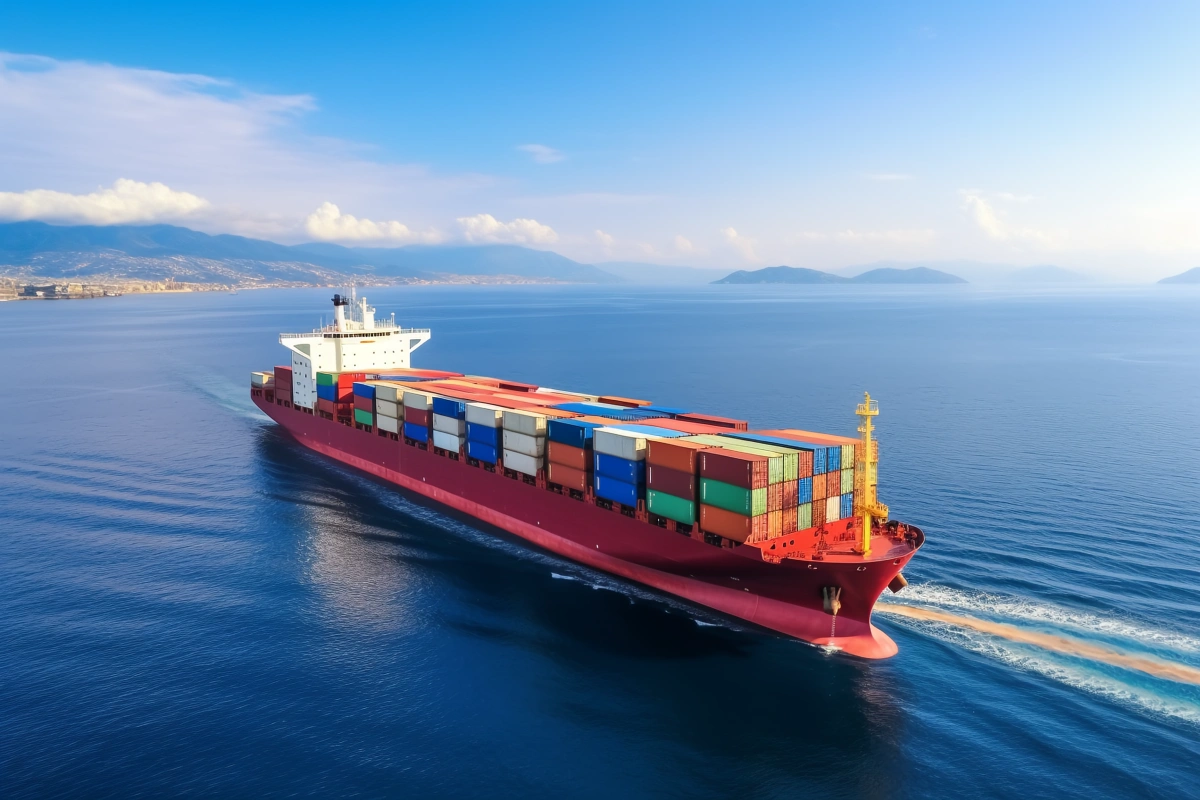
Extended shipping schedule is difficult to deliver
Shipping schedules are generally prolonged, delivery cycles are out of control, mainstream routes bypass the Cape of Good Hope, and the voyage is increased by 10 - 15 days. The vehicle delivery cycle has been greatly prolonged, the risk of default on order delivery has increased, and the pressure on capital turnover of overseas dealers has increased.
Logistics costs swallow profits
Logistics costs have greatly eroded profits. Sea freight rates, fuel surcharges, and war risk premiums have risen simultaneously, and the cost of single vehicle logistics has risen significantly. The profit margin of economical used cars, which originally had small profits, has been further compressed.
Shortage of shipping space and difficulty in booking space
Shipping companies have given priority to ensuring shipping spaces for high value and large customers. Small and medium-sized used car exporting companies have difficulty booking spaces and frequent delays, and batch departure plans have been disrupted.
Increased risk of financial compliance
Capital and compliance risks are superimposed on vehicles in transit and the capital cycle is prolonged; some destination port policies fluctuate and customs clearance delays are prone to port detention fees, storage fees, and even risk of return shipment.
Countermeasures for used car export enterprises
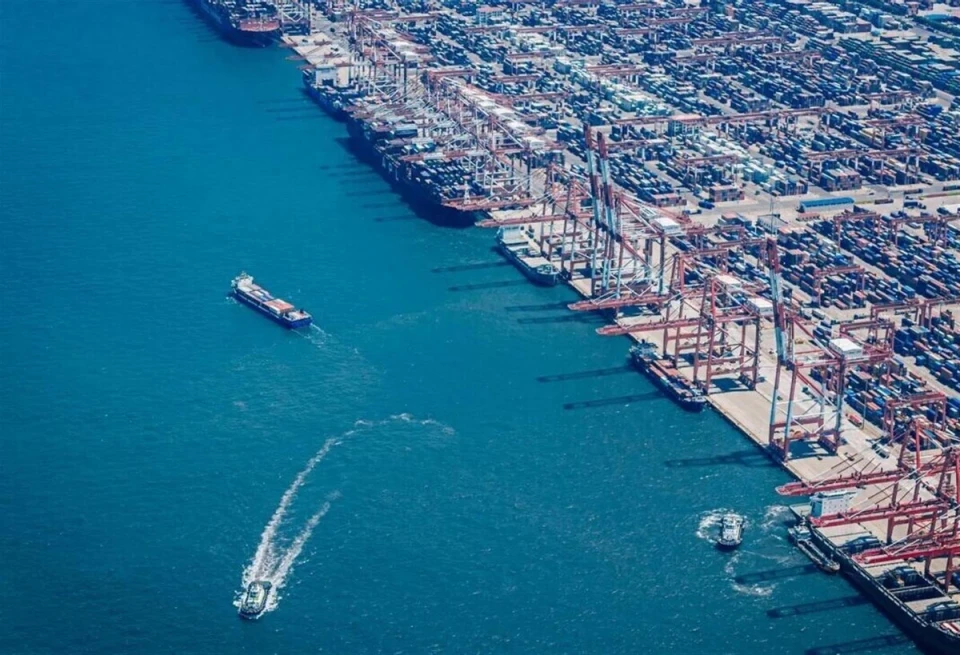
1. Logistics route
From "gambling routes" to "multi-path backup", priority should be given to stable routes around the Cape of Good Hope, giving up shortcuts to the Red Sea, and trading time for safety.
2. Trade terms
The risk is "locked in the contract" and FOB is used first. The buyer is responsible for booking and freight, and the seller is responsible for avoiding fluctuations in freight rates. The contract clearly states that delays due to force majeure for shipping are not counted as breach of contract by the seller, and no additional costs at the port of detention and the port of destination will be borne.
3. Insurance and risk control
Provide "double insurance" for vehicles and funds, and add shipping All Risks + War Risk to cover navigation risks and regional conflict losses. Insured export credit insurance to prevent buyers from abandoning goods and defaulting on payment due to logistics delays and market fluctuations.
4. Market layout
From "single point of dependence" to "diversified decentralization", moderately reduce the proportion of high-risk route markets, and actively expand markets in Africa, Southeast Asia, Central Asia and other markets, the situation in the Middle East will see many uncertain factors in the short term.
International logistics in the Middle East market is under short-term pressure, and long-term improvement in Middle East shipping is a short-term external impact. However, the core advantages of China's used car exports-cost-effective vehicle sources, mature supply chains, and compliance upgrades remain solid. The industry is shifting from "price and volume" to "piecing together regulations, supply chains, and services." Enterprises that can survive and grow large must be long-term people with stable logistics, strict terms, strong compliance, and scattered markets. In the final storm, used car export companies were not fighting for courage, but for system. By backing up the routes, making strict contracts, making high-quality vehicle sources, and decentralizing the market, we can stabilize the fundamentals in the midst of maritime changes and wait for the channel to be restored!
Source: Tianjin City Used Car Export Association
[Disclaimer] The content of this website (including pictures and texts) originates from the Internet, and the copyright belongs to the original author. Respect the rights and interests of originality, and select content is only used for information sharing. If copyright disputes are involved, please contact us to handle the deletion in a timely manner.

 Online Evaluation
 I am Buyer
 Export Services
 subsites


 023-62852688
  No. 1-1, No. 2899, Longzhou Avenue, Banan District, Chongqing City
 Headquarters


