
 Chinese
 Russian
 Arabic
On February 28, the conflict between the United States and Iran suddenly escalated, and Iran announced the closure of the Strait of Hormuz. This "throat" of global oil transportation was cut off, which had a direct impact on China's automobile exports. This article sorts out the current situation from three dimensions: logistics, cost, and market, and provides countermeasures.
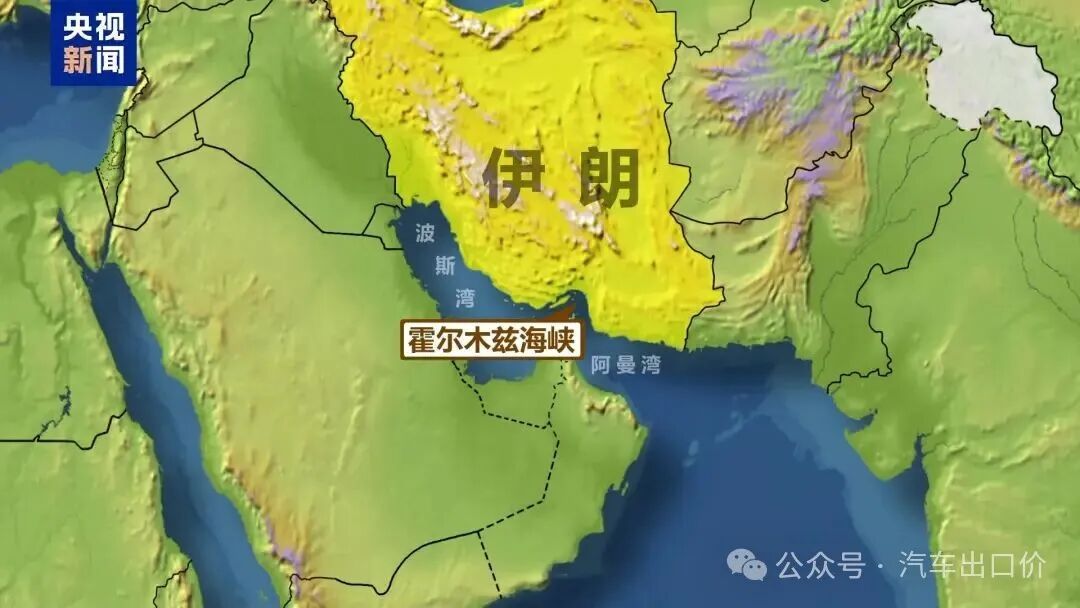
1. What does the closure of the Strait of Hormuz mean?
About 20% of the world's crude oil trade and more than a quarter of seaborne oil pass through this channel, and about 84% of China's imported crude oil need to pass through the strait.
After the conflict, Maersk, Hapag-Lloyd, CMA, MSC and other shipping companies suspended bookings on the Persian Gulf route and diverted ships around the Cape of Good Hope.
The Jebel Ali Port, the largest container port in the Middle East and a car transit hub, has suspended operations, and a large number of ships have anchored around the Strait of Hormuz.
2. Direct impact on automobile exports
1. Logistics: Routes are interrupted and delivery times are extended indefinitely
Routes in the Middle East have basically been suspended, and shipping companies have suspended receiving orders.
European routes bypass the Cape of Good Hope, adding 10-14 days to the voyage.
War surcharges surge: CMA will impose an additional $2000 per 20-foot container, and insurance premiums are expected to increase by 25%-50%. The cost of a single vehicle has increased significantly when transporting a complete vehicle in a 40-foot container.
2. Markets: The Middle East market is basically frozen
The Iranian market has no normal business environment (currency devaluation, payment sanctions), and car companies such as Chery and BYD have shrunk their business.
Business confidence in Gulf countries (Saudi Arabia, United Arab Emirates, etc.) has been frustrated, financial institutions have tightened credit, insurance has refused to cover or raised prices, and dealers have not dared to place orders. Most of the originally planned expansion projects in the Middle East have been suspended.
3. Cost: The rise in raw materials is transmitted to the entire vehicle
Crude oil price rise: As of 17:00 on March 1, 2026, NYMEX crude oil exceeded US$72/barrel. If the conflict continues or it will rush to US$100. The cost of automotive plastic parts, synthetic rubber, and energy-intensive links will increase across the board.
Supply interruption of key materials: 72.3% of China's methanol imports from January to February came from Iran, and 41% of lapis lazuli (raw material for permanent magnet motors for electric vehicles) imports came from Iran. At present, Iranian ports are out of service, and domestic inventories are only enough to support them for three months. The electric vehicle supply chain is also under pressure.
3. Response suggestions
Targeting China automobile exporters
1. Suspend orders from the Middle East or clearly inform the risks: the Jebel Ali Port is suspended and the shipping company has stopped receiving orders. It is recommended to suspend orders from the Persian Gulf region in the near future, or explain in writing to the customer that "the delivery period is delayed indefinitely due to force majeure."
2. Re-accounting of costs: For orders involving detour routes, factors such as war surcharges, detour fuel costs, and insurance premium increases need to be included, and the quotation is adjusted if necessary.
3. Lock in the cabin 2 weeks in advance: The cabin space is tight and the price changes quickly, so avoid getting lucky.
4. Focus on alternative routes: For orders from the Middle East that urgently need delivery, you can consult the Saudi Red Sea port plan, but land transportation risks and costs need to be evaluated.
5. Medium-and long-term layout: Promote market diversification, establish a backup supply chain for key raw materials, and strengthen exchange rate and capital risk control. For overseas car buyers
For overseas car buyers
1. Adjust the expected receiving time: For all vehicles passing through the Red Sea, the Mediterranean Sea and bypassing the Cape of Good Hope, please add a buffer period of at least 14-21 days to the original estimated time.
2. Confirm the status of the destination port: Before shipping, verify whether the port is operating normally and whether there is serious congestion.
3. Maintain real-time communication with exporters: keep abreast of logistics dynamics and cost changes.
4. Decentralize the procurement market: Reduce risks in a single market.
Conclusion: Industry resilience under stress testing
Zou Zhiqiang, a researcher at the Center for Middle East Studies at Fudan University, pointed out: Even if the military confrontation comes to an end, the restoration of market confidence will be far longer than the calm down of the battlefield situation.
The closure of the Strait of Hormuz is another stress test facing China's automobile export industry. The glory of exporting 200,000 vehicles to Iraq in 2017 is a thing of the past. Today's market environment is more complex: geopolitical conflicts, rising costs, and risks of supply chain rupture are intertwined.
But there are also opportunities in the crisis: rising oil prices drive demand for electric vehicles, supply chain restructuring creates new cooperation possibilities, and market reshuffle creates space for prepared companies.
As an industry observer said: The global layout not only requires the market and sales volume, but also risk management and strategic resilience.
Source: Automobile export price
[Disclaimer] The content of this website (including pictures and texts) originates from the Internet, and the copyright belongs to the original author. Respect the rights and interests of originality, and select content is only used for information sharing. If copyright disputes are involved, please contact us to handle the deletion in a timely manner.

 Online Evaluation
 I am Buyer
 Export Services
 subsites


 023-62852688
  No. 1-1, No. 2899, Longzhou Avenue, Banan District, Chongqing City
 Headquarters


