
 Chinese
 Russian
 Arabic
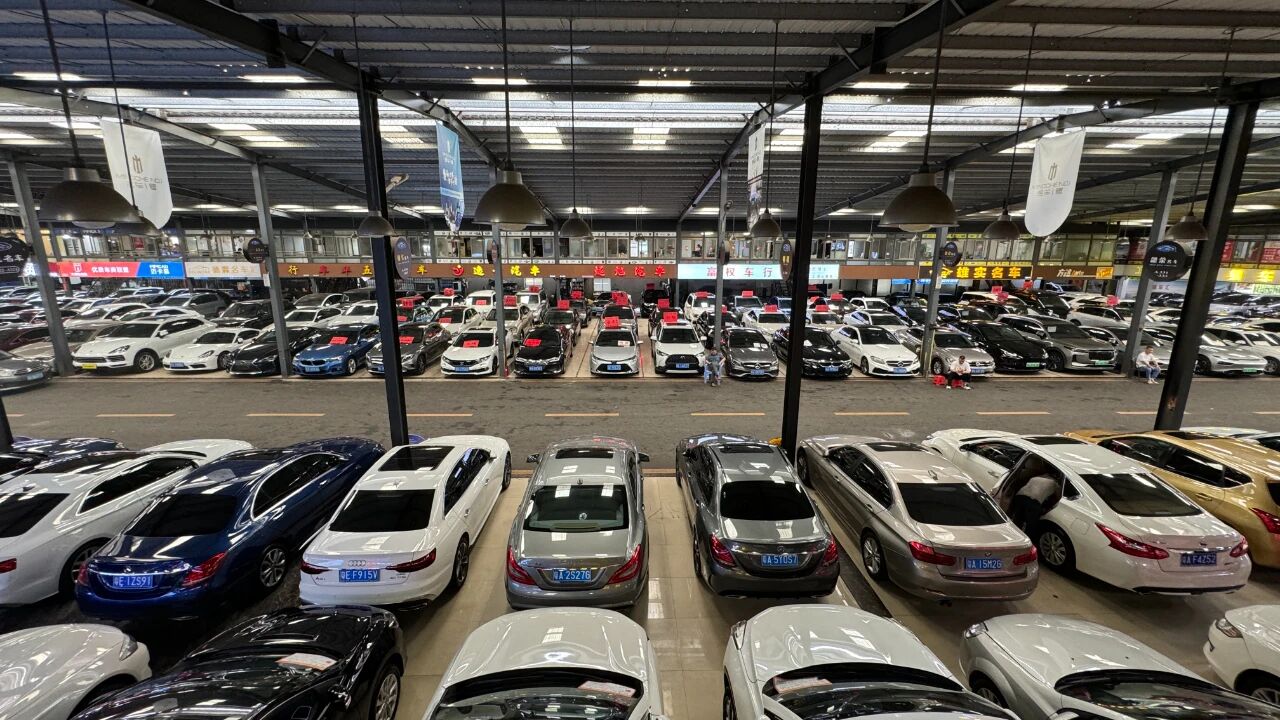
Hello, everyone car dealer friends and industry colleagues! Today, I want to talk to you about a hot topic full of opportunities and challenges-Africa's used car exports.
Africa, a young continent with a population of 1.4 billion and an average age of only 20 years old, is on the eve of an explosion in car consumption. Its car ownership is only 1/30 of the global average, and the huge gap means amazing market potential. For China's used car industry, which is seeking overseas growth, Africa is undoubtedly a key "strategic location."
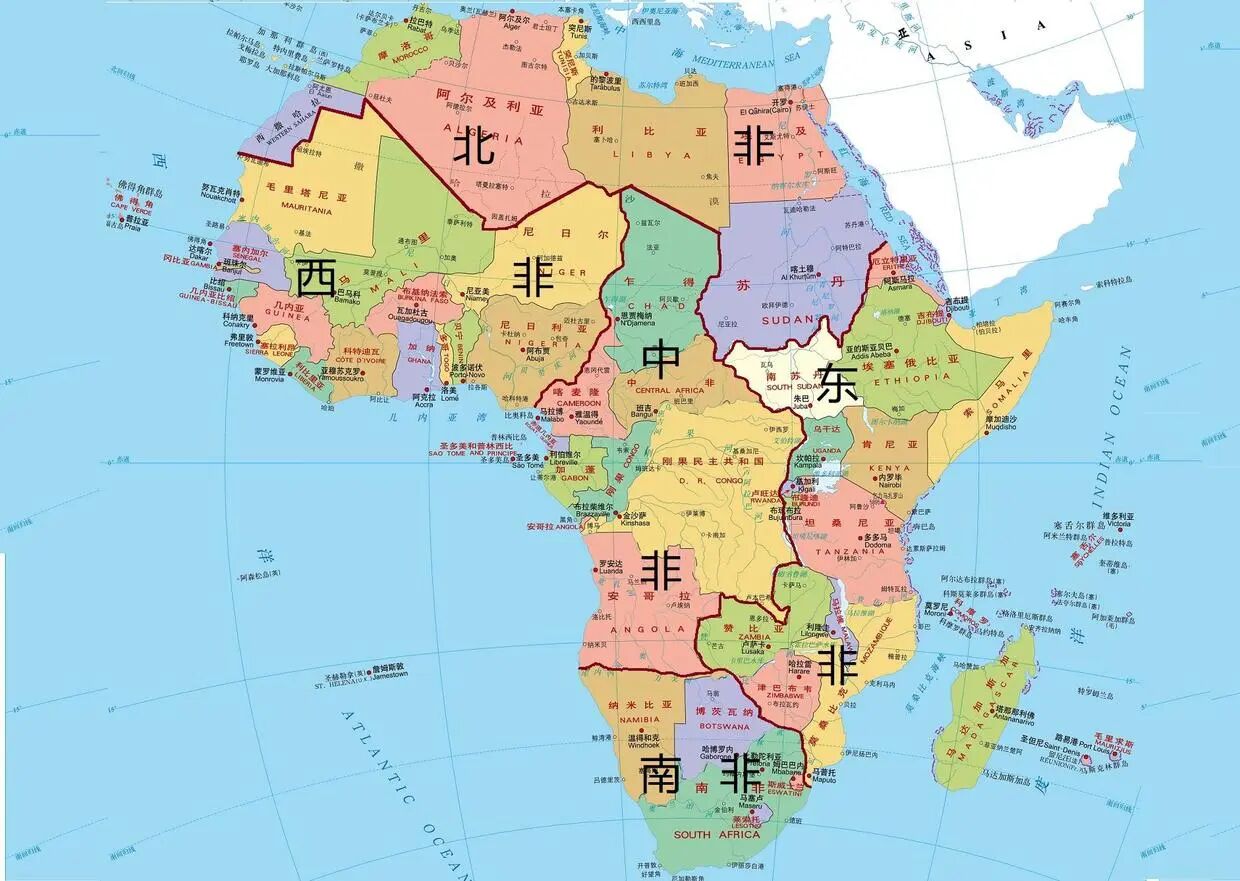
Recently, Polyjet has conducted in-depth research on industry data and has a clearer prediction of the African automobile market, especially the used car market, from 2026 to 2030. Today, let's sort out for everyone. On the vast map of Africa, West Africa, East Africa, and North Africa, where are the "golden tracks" for our used car exports?
1. General trend: core forecast for the African market 2026-2030
First of all, we must see clearly the "background" of the entire African market:
The total market is expanding rapidly: it is expected that by 2030, overall car sales in Africa will jump from 1.5 million in 2025 to 3 - 3.5 million, with a compound annual growth rate (CAGR) exceeding 12%. The market size is expected to grow from US$65 billion to US$110 billion.
Used cars are the absolute mainstream: in Africa, the ratio of used car sales to new cars is as high as 4:1 to 9:1. The size of the used car market will reach US$48.7 billion in 2025 and is expected to stabilize between US$55 billion and US$60 billion by 2030. West and East Africa will be the two fastest growing engines.
Strong core driving forces:
Demographic dividend: A young demographic structure and a rapidly growing middle class (about 40 million in Nigeria alone) have generated a large number of demand for first-time car purchases.
Economy and urbanization: Most countries maintain GDP growth of 4-6%. The urbanization process has accelerated commuting and logistics needs, making pickup trucks, SUVs and commercial vehicles hot spots.
Policy dividends: The promotion of the African Continental Free Trade Zone (AfCFTA) and China's zero-tariff policy to 53 African countries have paved the way for China's second-hand car exports.
China's supply advantages: We have a huge stock of 5-8-year-old left-hand steering vehicles in good condition and in line with Euro 4/Euro 5 emissions, which perfectly suit the needs of the African market.
2. Regional showdown: Who dominates the ups and downs in West Africa, East Africa, and North Africa?
Under the overall trend of improvement, the three regions present completely different market characteristics:
1. West Africa: King of Increment, the most explosive
Representative markets: Nigeria, Ghana, Cote d'Ivoire.
Core characteristics: Large market scale, fast growth rate, and direct demand.
Nigeria: As one of the largest used car markets in Africa, the ratio of used car sales to new car sales is about 4:1. The demand here is very pragmatic. As long as the vehicle is within 10 years old, has the left rudder, and its emissions meet Euro IV standards, there will be a broad market.
Ghana: This is one of the fastest growing countries in China's used car exports (year-on-year growth of 34% from January to October 2025!). The policy is friendly, allowing the import of used cars within 10 years, and electric vehicles even enjoy zero tariffs. Ghana is an excellent "bridgehead" for car dealers who want to quickly open up the situation.
The CAGR in the West African market is expected to reach 10-15%, which will become the core increment area for China's used car exports in the next few years. Consumers here are price-sensitive and highly recognize Japanese cars, but cost-effective China cars are quickly gaining share.

2. East Africa: Strong demand, biased towards commercial use
Representative markets: Kenya, Uganda, Tanzania.
Core features: Strict age restrictions, high commercial demand, and left-hand rudder is the main focus.
Kenya: Up to 96% of imported cars are used cars, making it a typical used car kingdom. The vehicle age limit is stricter (usually within 8 years), and the requirements for vehicle condition are higher. This is a transportation hub in East Africa, and there is a strong demand for online ride-hailing and logistics vehicles.
Uganda: The market is growing rapidly. With the construction of the free trade zone, cross-border circulation of used cars between regions will become more frequent.
The CAGR in the East African market is expected to be as high as 12-18%. Although the age limit brings a certain threshold, it also means that vehicles turn around faster and there is a greater demand for high-quality used cars in good condition. It is especially suitable for export vehicles with shorter age and suitable for operation.
3. North Africa: Policy sensitive, thresholds and opportunities coexist
Representative markets: Egypt, Algeria, Morocco.
Core characteristics: Strong policy orientation, great potential for electrification, and high compliance requirements.
Egypt: Africa's second largest new car market is vigorously promoting electrification and basically implementing zero tariffs on electric vehicles. The goal is to reach 10% of electric vehicles by 2030. This is a potential breakthrough for used new energy vehicles in China.
Algeria: In 2026, the customs clearance process will be simplified and the import of new cars will be liberalized within three years. It is expected to usher in an import boom. However, it should be noted that its policies are highly volatile.
Morocco: It is a car producing country itself, with a stable used car market and more of a transit point radiating to Europe and West Africa.
The CAGR in the North African market is expected to be 8-12%. Opportunities here are strongly related to policies, requiring exporters to have a keen sense of policy and stronger compliance operation capabilities.
3. Product trends: Fuel vehicles are still the main force, and new energy is emerging
Looking forward to 2026-2030, the structure of products exported to Africa will undergo subtle changes:
Fuel vehicles are still the ballast stone: in the next five years, fuel vehicles will still account for more than 85% of the total. SUVs, pickup trucks, and compact cars will be the "three major items" for export due to their durability and passability.
Second-hand new energy vehicles are welcoming: In Egypt, Kenya, Ghana and other countries, second-hand electric vehicles enjoy zero/low tariffs. With the trend of electrification of local online ride-hailing, second-hand EVs in China that are 5-8 years old and have a battery life of 200-300 kilometers will stand out with their extremely high cost performance. But remember that exporting electric vehicles requires battery health reports, UN38.3 and other certifications.
Upgrade of vehicle age and emission standards: Vehicle age in mainstream countries is limited to 8-10 years, and emission standards generally require Euro 4/Euro 5. This means that the old road of "low prices and dilapidated" will become narrower and narrower, and "high-quality used cars" with moderate age, compliance with emissions and good condition will be the mainstream in the future.
4. Risks and responses: Compliance is the lifeline
The opportunities are huge, but the risks cannot be ignored. We must pay attention to the following points:
1. Import policies are becoming stricter: restrictions on vehicle age, emissions, and right-hand steering vehicles will become tighter and tighter. Some countries, such as Nigeria, have required test reports and local re-inspections from exporting countries.
2. Localization game: South Africa and other automobile industry countries are forcing China automobile companies to shift from simple exports to KD assembly or local factories by increasing tariffs and requiring increased localization rates.
3. Certification and logistics costs: The customs clearance and certification processes in various countries are complex, the logistics cycle is long and fluctuates greatly, which are hidden costs that must be calculated in advance.
Summary: How to choose your first stop in Africa?
If you are a "vanguard" in pursuit of rapid increase in volume and share: West Africa (Ghana, Nigeria) is your first choice. The market capacity is large, policies are relatively friendly, and growth is rapid.
If you have a high-quality car source that is short and suitable for operation: East Africa (Kenya) is worth cultivating deeply. Its demand for vehicle quality and specific uses (online ride-hailing/logistics) can allow you to get a better premium.
If you have in-depth policy research and want to layout future electric tracks: you can focus on North Africa (Egypt). However, we must be prepared to fight a protracted battle and deal with complex compliance processes.
All in all, Africa is not a single market, but a "kaleidoscope" of 53 countries. "One country, one policy, precise matching" is the only rule for success.
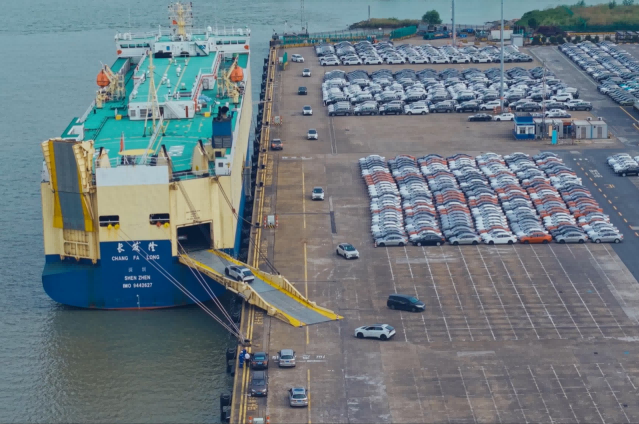
The export of used cars from China to Africa is in a critical period of transition from "selling low-priced old cars" to "selling high-quality cars." It is estimated that by 2030, China's used cars will account for 30%-34% of the African import market, becoming the largest supplier. From simple vehicle trade to the ecological model of "export + local after-sales + finance + battery recycling", this is the future direction.
(Note: The data and opinions in this article are based on comprehensive compilation of industry public information and market forecasts. They are for reference only and do not constitute investment advice.)
Source: Baolijie used car
[Disclaimer] The content of this website (including pictures and texts) originates from the Internet, and the copyright belongs to the original author. Respect the rights and interests of originality, and select content is only used for information sharing. If copyright disputes are involved, please contact us to handle the deletion in a timely manner.

 Online Evaluation
 I am Buyer
 Export Services
 subsites


 023-62852688
  No. 1-1, No. 2899, Longzhou Avenue, Banan District, Chongqing City
 Headquarters


