
 Chinese
 Russian
 Arabic
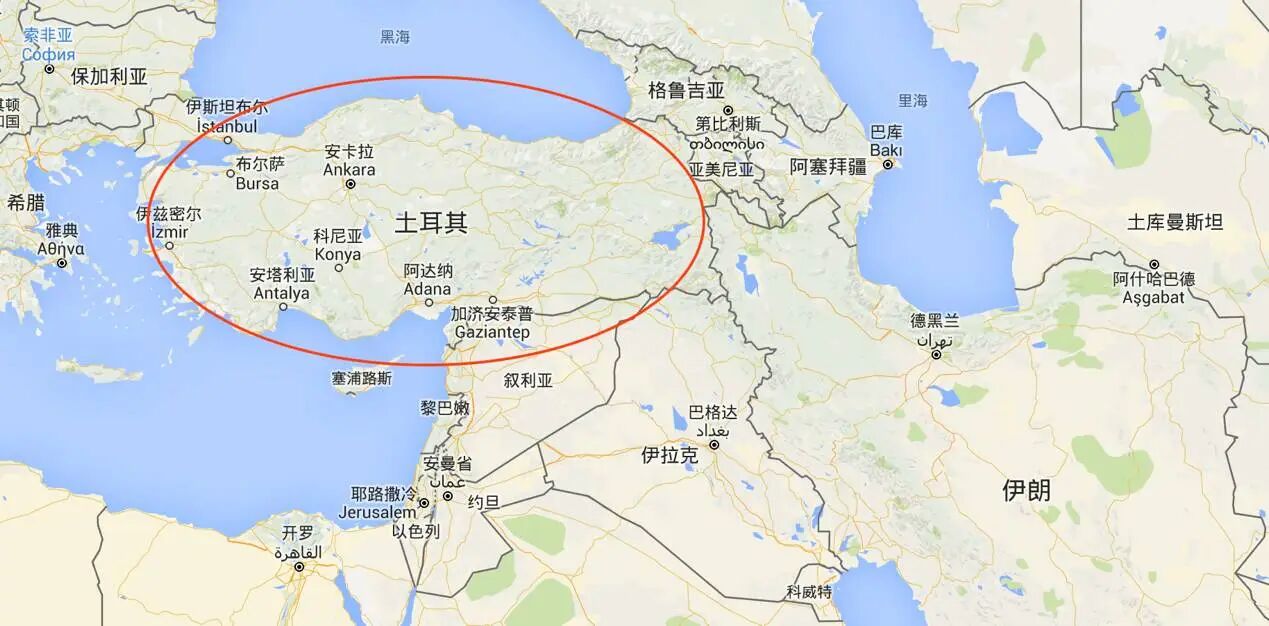
Turkey is located in the center of the Eurasian continent, spanning Europe and Asia. With a land area of 783,600 square meters, it occupies the core regional hub position of the world.
According to data released by its Bureau of Statistics, as of the end of 2023, the population of Turkey is 86.5 million.
The local area is rich in mineral resources, mainly marble, boron ore, chromium, thorium, coal, etc., with a total value of more than 4 trillion US dollars. In addition, gold reserves are 1486 tons, silver reserves are 7927 tons, and coal reserves are 19.32 billion tons.
Turkish Economy Overview
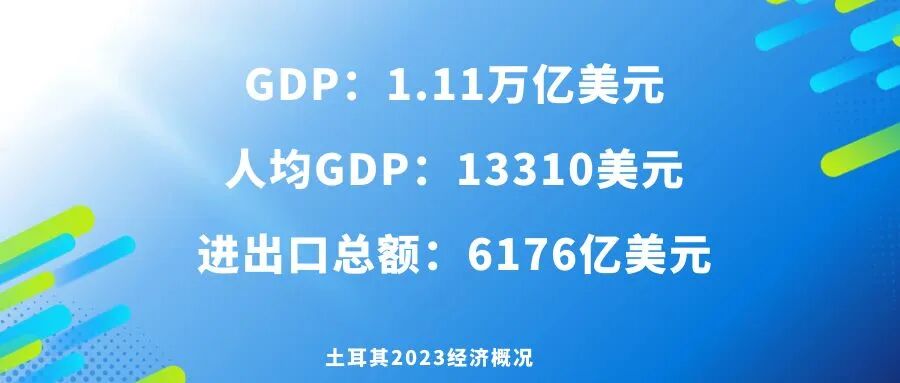
In 2023, Turkey's GDP was 1.11 trillion US dollars, successfully ranking among the "global trillion US dollar GDP club", with per capita GDP of 13310 US dollars.
In 2023, Turkey's total trade in goods amounted to US $617.6 billion, of which imports amounted to US $361.8 billion and exports amounted to US $255.8 billion.
Automobiles are Turkey's most important export product, with exports worth US$35 billion. China is Turkey's second largest importer, with imports of US$45 billion.
Turkish Automobile Market
Turkey is the production center of major automobile companies around the world and the world's leading automobile manufacturing power.
The world's top automakers such as Fiat, Mercedes-Benz, BMW, Ford, Toyota, Hyundai and Renault have set up factories in Turkey to cooperate with local parts factories.
Turkey's automobile industry exports hit a record high in 2023. The number of cars produced nationwide exceeded 1.4 million, and exports reached US$35 billion, a year-on-year increase of 13%.
The largest export market for Turkey's automobile industry is the European Union, with exports of US$23.9 billion, accounting for 68% of exports to EU countries.

Turkey's new energy vehicle industry policy
From 2023 to 2024, Turkish electric vehicle sales increased by 43%, and hybrid vehicle sales increased by 58%.
Ford, Toyota, Renault and BYD all plan to set up factories in Turkey to produce electric/hybrid vehicles. TOGG and Karsan(local electric vehicle/electric vehicle component manufacturers) have started production.
·Investment incentives: In order to achieve an annual output of one million trams and 80GWh of batteries per year, the local government has formulated the HIT-30 plan, investing US$5 billion and US$4.5 billion in electric vehicle production and battery production respectively.
·Tax incentives: Electric vehicles can enjoy special consumption tax (OTV) and value-added tax exemptions, of which battery electric vehicles (BEV) are exempt from value-added tax.
·Infrastructure: The local government plans to significantly expand electric vehicle charging infrastructure, and it is expected that the number of charging points in Turkey will reach 1 million public areas and 900,000 home charging points by 2030.
·Popularization target: It is estimated that by 2035, 4.2 million new energy vehicles will be on the road, 75% of which will be localized.
Risk warning for Turkish cars going overseas market
1. Enterprise compliance practices When conducting business in Turkey, China companies need to comply with Turkish labor regulations and tax laws, including employee working hours management, holiday system, social insurance payment, etc. In addition, Turkey also has certain entry thresholds and management requirements for foreign companies to conduct business locally. Companies need to go through relevant registration and filing procedures to ensure their own compliant operations in the Turkish market.
2. Business environment Turkey has a high inflation rate, reaching 65% in 2023, far exceeding the government's medium-term target of 22%. Companies need to fully understand these situations and do a good job in cost budgeting and risk management.
3. Policy impact In March 2023, Turkey imposed an additional 40% tariff on electric vehicles imported from China, raising the tariff to 50%. On June 8, 2024, this policy will be extended from electric vehicles to all imported vehicles from China, with an additional tariff of at least US$7000 per vehicle.
4. Customs policies Understand Turkish customs policies to avoid problems with goods being detained by customs. For example, inbound goods that have been left at customs for more than 4 months may be treated as ownerless goods and auctioned; if the goods encounter problems after arriving at the port, the consignee needs to issue a formal "Notice of Refusal to Receive Goods" before they can be pulled back or transshipped.
Source: Yangtze River Delta new energy vehicle industry offshore base
This article is reproduced from the Yangtze River Delta New Energy Vehicle Industry Offshore Base and is only used for information sharing. If infringement is involved, please contact and delete it. This site does not bear relevant legal responsibilities.

 Online Evaluation
 I am Buyer
 Export Services
 subsites


 023-62852688
  No. 1-1, No. 2899, Longzhou Avenue, Banan District, Chongqing City
 Headquarters


